The Ascent of Man — From Survival to Systems

1. Humanity Before the Breakthrough

For most of human history, change was painfully slow. Early members of the genus Homo survived through hunting, gathering, and simple tool use, but across hundreds of thousands of years the archaeological record shows remarkable continuity rather than rapid advancement. Species such as Homo erectus and later populations associated with Homo heidelbergensis spread across Africa, Europe, and Asia, adapting to local conditions but leaving behind technologies that altered only gradually through time. (The Ascent of Man — From Survival to Systems)

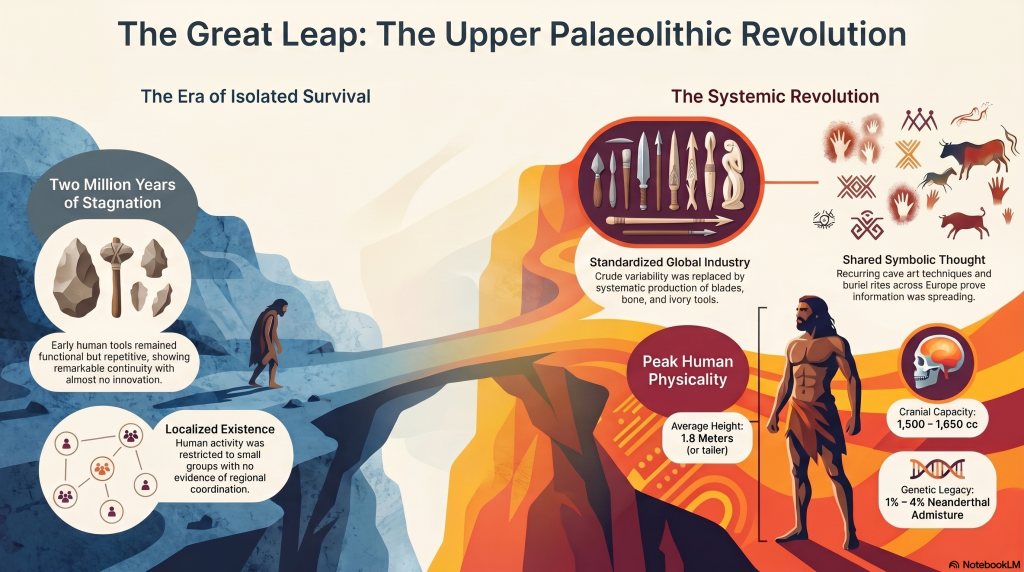
The tools they produced were functional but repetitive. Stone forms persisted for immense periods with little structural innovation, and activity appears largely localised rather than coordinated across large regions. Human groups survived successfully, but there is little evidence of widespread standardisation, long-distance organisation, or shared operational systems. Humanity endured — but it did not yet accelerate.
The Ascent of Man — From Survival to Systems

2. The Ice Age World

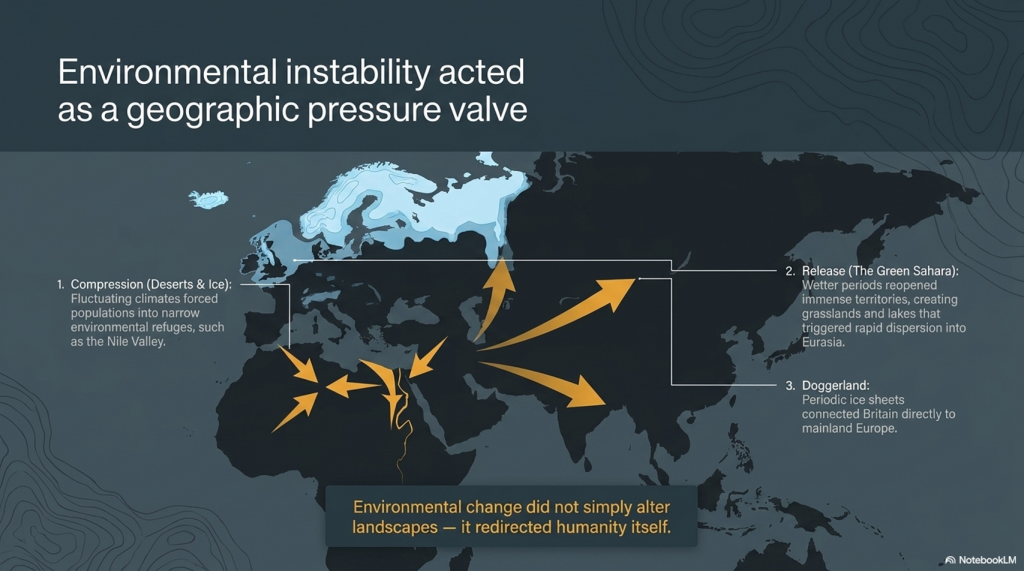
The Late Pleistocene world was shaped by instability. Vast ice sheets covered northern Europe and North America, sea levels were dramatically lower, and habitable regions shifted constantly in response to climatic oscillations. Britain itself was periodically buried beneath ice or connected directly to mainland Europe through the lowland plains of Doggerland.

As climates fluctuated, populations were repeatedly compressed into environmental refuges. In North Africa and the Near East, expanding deserts restricted movement into narrow corridors such as the Nile Valley. During wetter periods, however, enormous territories reopened. Grasslands, rivers, and lakes spread across what is now the Sahara, creating migration routes that allowed human populations to disperse rapidly into Eurasia. Environmental change did not simply alter landscapes — it redirected humanity itself.

The Ascent of Man — From Survival to Systems

3. The Arrival of Modern Humans in Europe

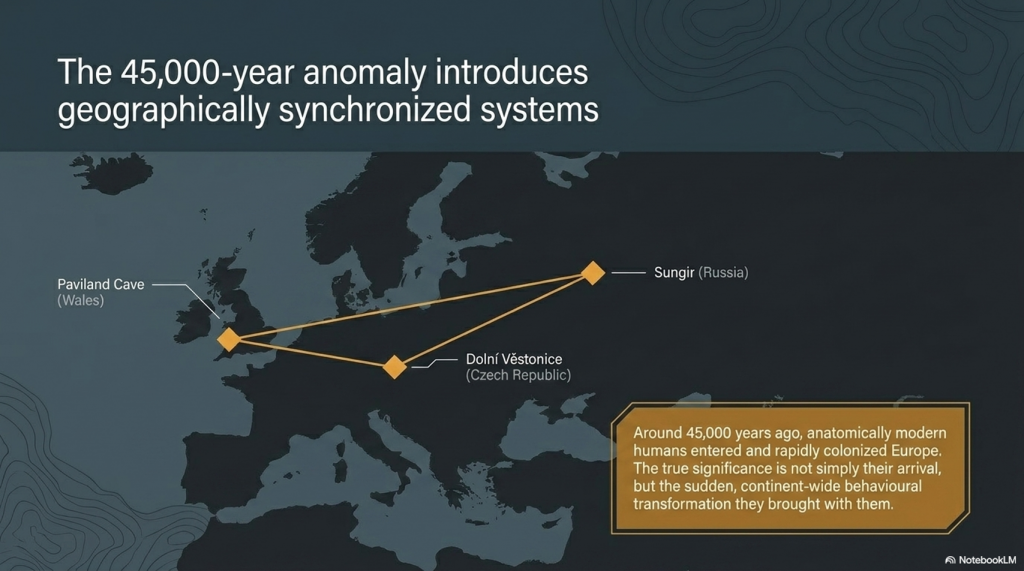
Around 45,000 years ago, anatomically modern humans entered Europe. These populations, later known as “Cro-Magnon,” spread rapidly across the continent, from France and Spain to Russia and Britain. Sites such as Paviland Cave in Wales, Sungir in Russia, and Dolní Věstonice in the Czech Republic reveal the presence of these early Europeans across an enormous geographical range.

What makes these populations important is not simply their anatomy, but the sudden transformation visible in the archaeological record associated with them. The Upper Palaeolithic does not merely continue earlier traditions — it behaves differently. Tool production becomes increasingly standardised, methods are repeated across regions, and material culture begins operating according to recognisable systems rather than isolated local practice.
The Ascent of Man — From Survival to Systems

4. The Upper Palaeolithic Revolution

For over two million years, human technology remained comparatively conservative. Then, within a relatively short archaeological window, a dramatic transition appears. Long, standardised blades replace crude variability. Bone, antler, and ivory are worked systematically into specialised tools. Production methods spread across enormous distances with remarkable consistency.

This is the real significance of the Upper Palaeolithic. Human behaviour becomes structured. Artefacts are no longer random outputs of survival, but components within organised systems of manufacture and use. The archaeological record suddenly begins displaying repetition, correction, standardisation, and coordination. Humanity was no longer simply adapting to the world — it was beginning to engineer solutions within it.
The Ascent of Man — From Survival to Systems

5. Art, Symbolism, and Shared Thought

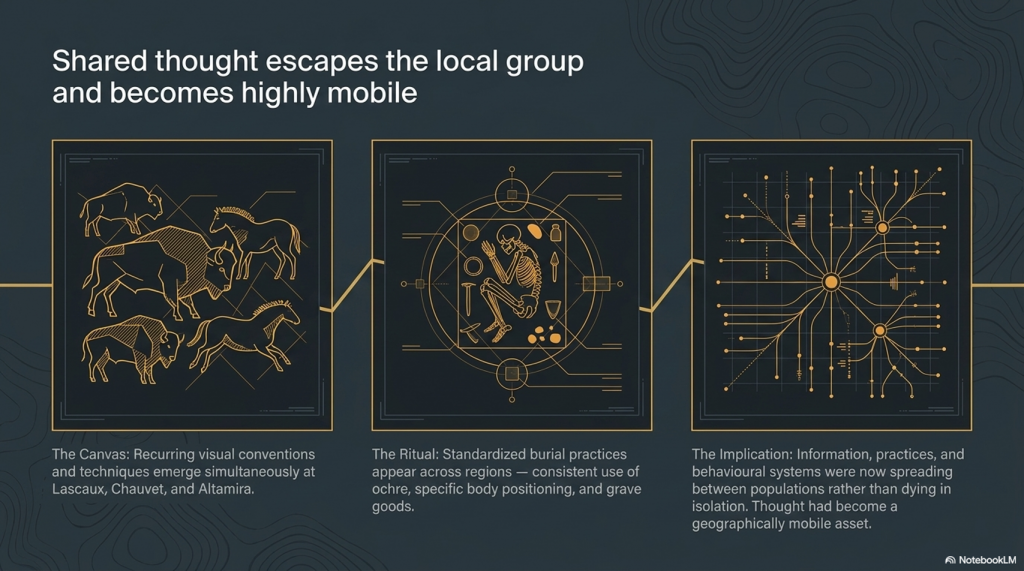
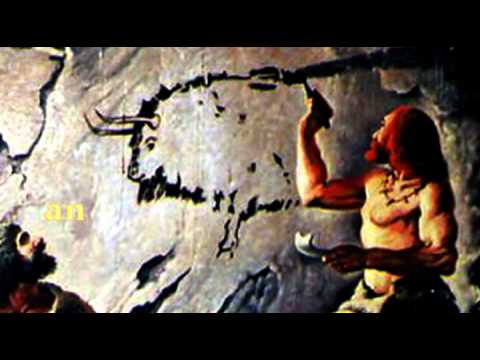
The same pattern appears in symbolic behaviour. Cave art emerges across Europe in locations such as Lascaux, Chauvet Cave, and Altamira Cave. These sites display recurring techniques, recurring animals, and repeated visual conventions separated by vast geographical distances.

Burial practices also become increasingly structured. Ochre use, grave goods, body positioning, and ceremonial treatment repeat across multiple regions. This consistency matters. It demonstrates that information, practices, and behavioural systems were now spreading between populations rather than remaining isolated within local groups. Shared thought had become geographically mobile.
The Ascent of Man — From Survival to Systems

6. Water, Mobility, and the Rise of Networks

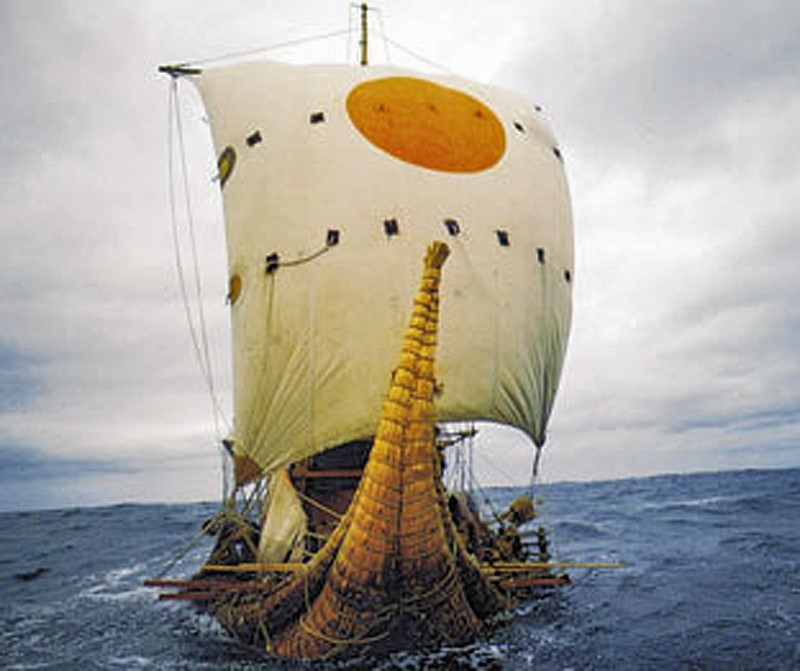
As the Ice Age ended, rivers, wetlands, estuaries, and coastlines dominated much of Eurasia. In this environment, waterborne movement became increasingly important. Waterways were not obstacles — they were transport corridors. The emergence of maritime adaptation transformed the scale at which human populations could operate.

One of the clearest examples comes from Gobustan Rock Art Cultural Landscape near the Caspian Sea, where prehistoric engravings depict long boats carrying organised crews. These images suggest coordinated water transport thousands of years before formal civilisation emerged. Rivers and coastlines now linked populations together, accelerating trade, migration, and cultural exchange across enormous distances.
The Ascent of Man — From Survival to Systems

7. Physical Characteristics of Cro-Magnon Populations

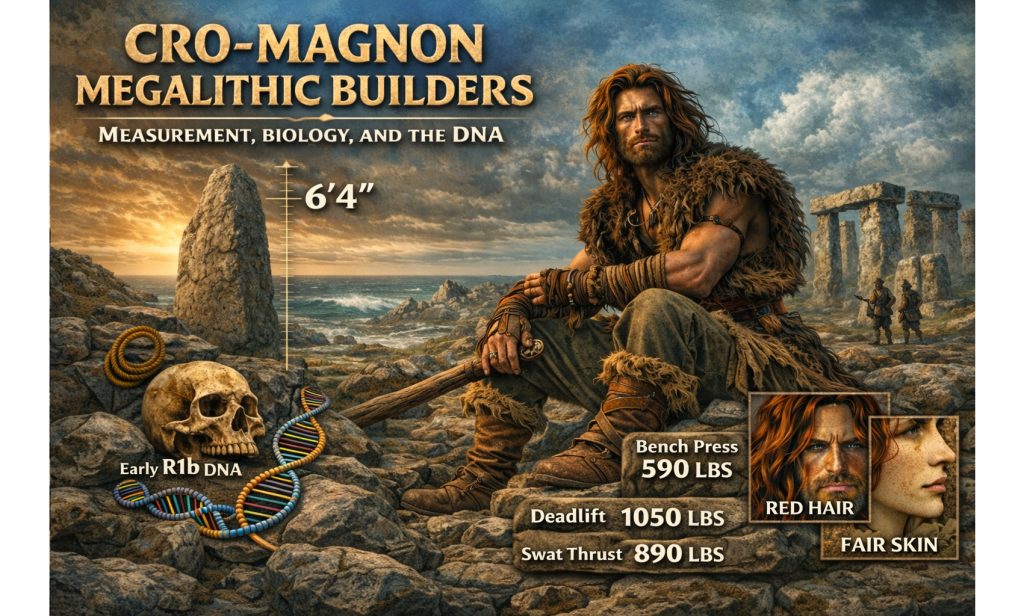
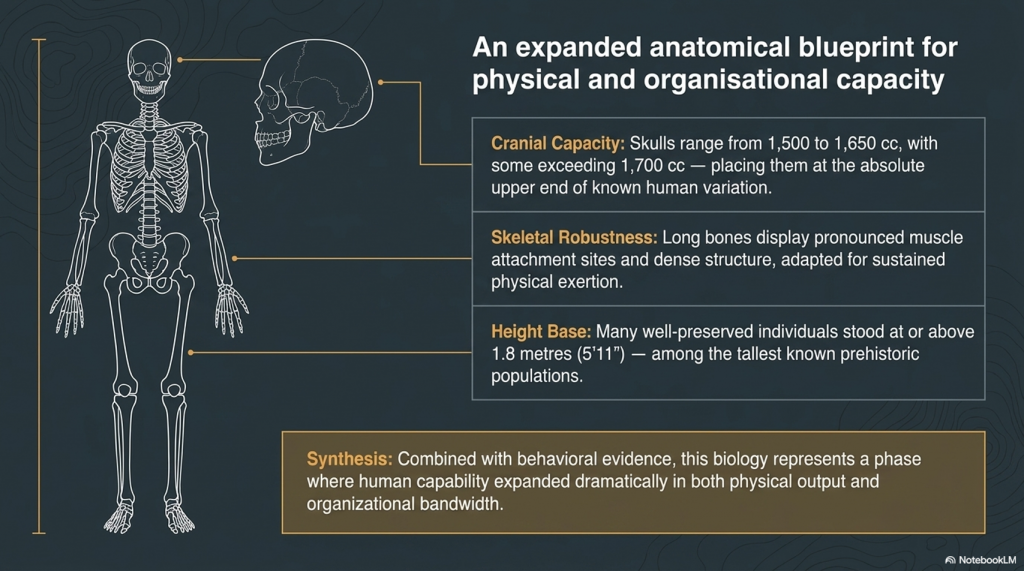
The skeletal evidence associated with Upper Palaeolithic Europeans reveals populations that were physically robust and highly active. Long bones display pronounced muscle attachment sites, dense structure, and adaptations consistent with sustained physical exertion. Many well-preserved individuals stood at or above 1.8 metres tall, placing them among the taller known prehistoric populations.

Cranial capacity is equally striking. Upper Palaeolithic skulls typically range from 1,500 to 1,650 cubic centimetres, with some exceeding 1,700 cc — placing them at the upper end of known human variation. While cranial volume alone does not determine intelligence, it remains a measurable anatomical distinction. Combined with the behavioural evidence, these populations represent a phase in which human capability appears to expand dramatically in both physical and organisational terms.
The Ascent of Man — From Survival to Systems

8. Genetics, Mixture, and Human Continuity

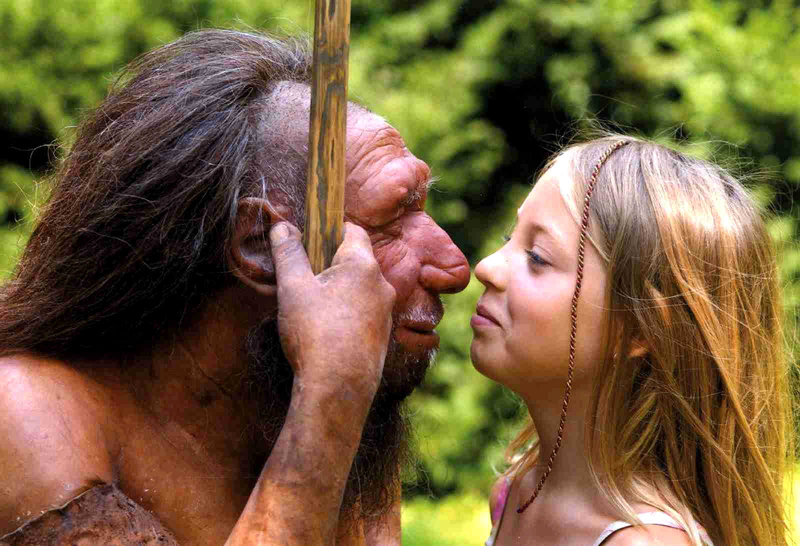
Modern genetic evidence confirms that these populations were not isolated species, but part of the wider Homo sapiens lineage. Ancient DNA studies show continuity between Upper Palaeolithic Europeans and later populations, alongside evidence of admixture with Neanderthals. Modern non-African populations still retain approximately 1–4% Neanderthal DNA.

At the same time, the genetic record reveals that human history was not a simple replacement process. Populations mixed, migrated, adapted, and survived through complex interactions across Eurasia. Studies such as Caramelli et al. (2008) even identified mitochondrial lineages from Upper Palaeolithic Europeans that are still present in modern populations. The evidence increasingly points toward continuity combined with transformation rather than disappearance and replacement.

The Ascent of Man — From Survival to Systems

9. The Disappearance of the Cro-Magnon Label

Despite its historical importance, the term “Cro-Magnon” has largely disappeared from formal anthropology. Modern classification groups these populations into the broader category of Homo sapiens, emphasising shared ancestry rather than distinct regional populations. Scientifically, this creates consistency — but it also reduces resolution.

The archaeological patterns associated with Cro-Magnon populations remain visible regardless of terminology. Standardised industries, structured behaviour, symbolic repetition, maritime adaptation, and large-scale coordination all still exist within the record. What has changed is not the evidence itself, but the framework used to describe it. The question is therefore not whether Cro-Magnon was a separate species, but whether current models fully explain the scale of behavioural change associated with these populations.
The Ascent of Man — From Survival to Systems

10. The Turning Point of Humanity

This is the real problem posed by the Upper Palaeolithic.

For millions of years, humans survived in relatively small groups using localised technologies that changed only slowly. Then, within a comparatively brief period, behaviour transformed. Systems emerged. Production became standardised. Activity spread across entire continents according to shared methods and repeatable structures.

Everything that follows in human history depends on this transition.

The principles first visible in the Upper Palaeolithic — coordination, measurement, repetition, mobility, and structured behaviour — are the same principles that later underpin agriculture, trade, engineering, navigation, mathematics, and eventually civilisation itself. Without this shift, humanity remains a species surviving within nature rather than organising it.

The great question is therefore not whether this transformation occurred, because the archaeological record clearly shows that it did.

The real question is:

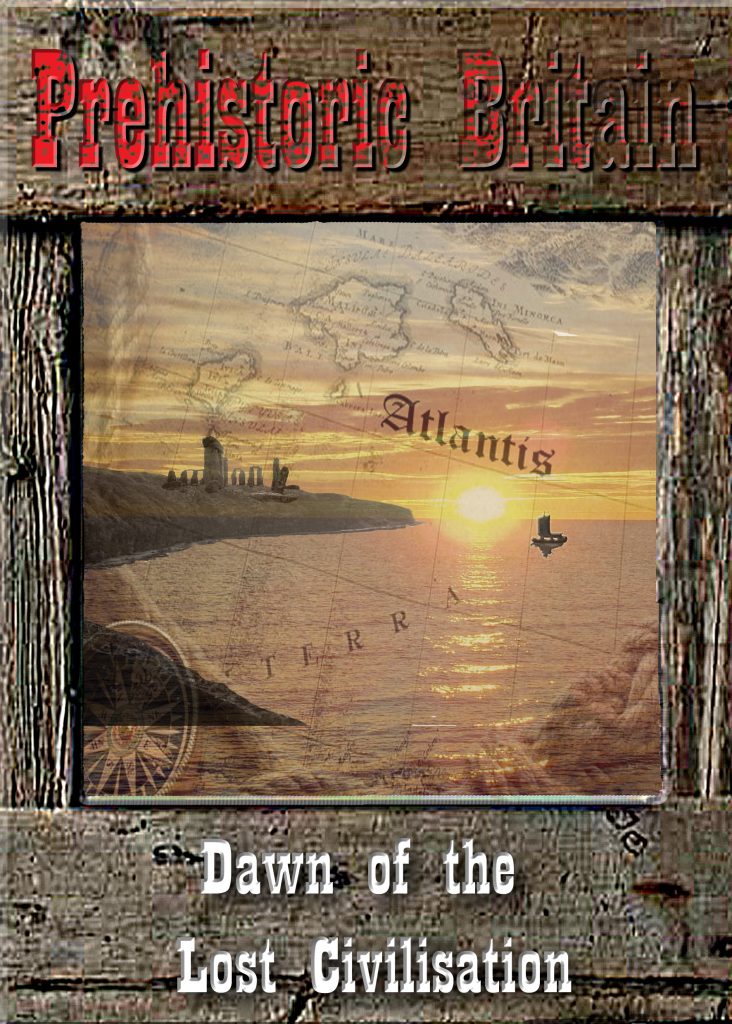
How did humanity go from isolated survival… to organised systems capable of reshaping the world? And did these people build the Megalithic structures that have lasted ten thousand years and thrown archaeology into confusion by not recognising an advanced Lost Civilisation at the Dawn of Humanity?
PODCAST

Author’s Biography
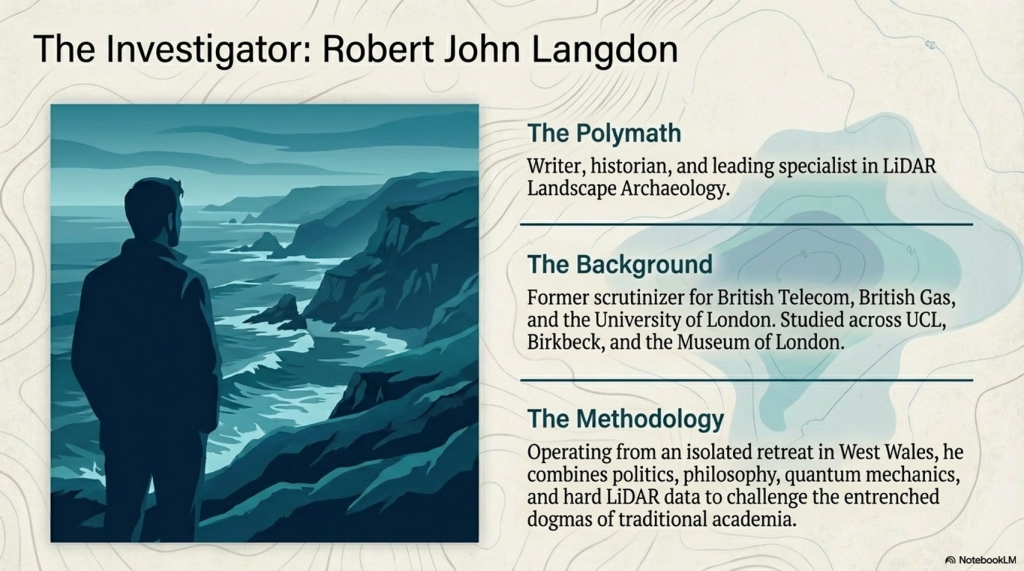
Robert John Langdon, a polymathic luminary, emerges as a writer, historian, and eminent specialist in LiDAR Landscape Archaeology.

His intellectual voyage has been interwoven with stints as an astute scrutineer in government and grand corporate bastions, a tapestry spanning British Telecommunications, Cable and Wireless, British Gas, and the esteemed University of London.

A decade hence, Robert’s transition into retirement unfurled a chapter of insatiable curiosity. This phase saw him immerse himself in Politics, Archaeology, Philosophy, and the enigmatic realm of Quantum Mechanics. His academic odyssey traversed the venerable corridors of knowledge hubs such as the Museum of London, University College London, Birkbeck College, The City Literature Institute, and Chichester University.

In the symphony of his life, Robert is a custodian of three progeny and a pair of cherished grandchildren. His sanctuary lies ensconced in the embrace of West Wales, where he inhabits an isolated cottage, its windows framing a vista of the boundless sea – a retreat from the scrutinising gaze of Her Majesty’s Revenue and Customs, an amiable clandestinity in the lap of nature.

Exploring Prehistoric Britain: A Journey Through Time

My blog delves into the fascinating mysteries of prehistoric Britain, challenging conventional narratives and offering fresh perspectives grounded in cutting-edge research, particularly LiDAR technology. I invite you to explore some key areas of my research. For example, the Wansdyke, often cited as a defensive structure, is re-examined in light of new evidence. I’ve presented my findings in my blog post Wansdyke: A British Frontier Wall – ‘Debunked’, and a Wansdyke LiDAR Flyover video further visualises my conclusions.

My work also often challenges established archaeological dogma. I argue that many sites, such as Hambledon Hill, commonly identified as Iron Age hillforts, are not what they seem. My posts Lidar Investigation Hambledon Hill – NOT an ‘Iron Age Fort’ and Unmasking the “Iron Age Hillfort” Myth explore these ideas in detail and offer an alternative view. Similarly, sites like Cissbury Ring and White Sheet Camp receive re-evaluations based on LiDAR analysis in my posts “Lidar Investigation Cissbury Ring through time” and “Lidar Investigation White Sheet Camp, revealing fascinating insights into their true purpose. I have also examined South Cadbury Castle, often linked to the mythical Camelot56.

My research also extends to ancient water management, including the role of canals and other linear earthworks. I have discussed the true origins of Car Dyke in multiple posts, including Car Dyke – ABC News Podcast and Lidar Investigation Car Dyke – North Section, which suggest a Mesolithic origin 2357. I also explore the misidentification of Roman aqueducts, as seen in my posts on the Great Chesters (Roman) Aqueduct. My research has also been greatly informed by my post-glacial flooding hypothesis, which has helped explain landscape transformations over time. I have discussed this hypothesis in several posts, including AI now supports my Post-Glacial Flooding Hypothesis and Exploring Britain’s Flooded Past: A Personal Journey

Finally, my blog also investigates prehistoric burial practices, as seen in Prehistoric Burial Practices of Britain and explores the mystery of Pillow Mounds, often mistaken for medieval rabbit warrens, but with a potential link to Bronze Age cremation in my posts: Pillow Mounds: A Bronze Age Legacy of Cremation? and The Mystery of Pillow Mounds: Are They Really Medieval Rabbit Warrens?. My research also includes astronomical insights into ancient sites, for example, in Rediscovering the Winter Solstice: The Original Winter Festival. I also review new information about the construction of Stonehenge in The Stonehenge Enigma.

Further Reading

For those interested in British Prehistory, visit www.prehistoric-britain.co.uk, a comprehensive resource featuring an extensive collection of archaeology articles, modern LiDAR investigations, and groundbreaking research. The site also includes insights and excerpts from the acclaimed Robert John Langdon Trilogy, a series of books that explore Britain during the Prehistoric period. Titles in the trilogy include The Stonehenge Enigma, Dawn of the Lost Civilisation, and The Post-Glacial Flooding Hypothesis, which offer compelling evidence of ancient landscapes shaped by post-glacial flooding.

To further explore these topics, Robert John Langdon has developed a dedicated YouTube channel featuring over 100 video documentaries and investigations that complement the trilogy. Notable discoveries and studies showcased on the channel include 13 Things that Don’t Make Sense in History and the revelation of Silbury Avenue – The Lost Stone Avenue, a rediscovered prehistoric feature at Avebury, Wiltshire.

In addition to his main works, Langdon has released a series of shorter, accessible publications, ideal for readers delving into specific topics. These include:

For active discussions and updates on the trilogy’s findings and recent LiDAR investigations, join our vibrant community on Facebook. Engage with like-minded enthusiasts by leaving a message or contributing to debates in our Facebook Group.

Whether through the books, the website, or interactive videos, we aim to provide a deeper understanding of Britain’s fascinating prehistoric past. We encourage you to explore these resources and uncover the mysteries of ancient landscapes through the lens of modern archaeology.

For more information, including chapter extracts and related publications, visit the Robert John Langdon Author Page. Dive into works such as The Stonehenge Enigma or Dawn of the Lost Civilisation, and explore cutting-edge theories that challenge traditional historical narratives.

Other Blogs

s

t

Sea Level Changes

Extract from the book: The Post-Glacial Hypothesis

If our ‘flooded Britain’ hypothesis is correct, we should be able to get verification via the empirical evidence of sea level changes to see if it has been constant over the last 12,500 years. Most scientists and historians when talking about the end of the LGM, refer people to the phenomenon called the ‘Meltwater Pulses’ to prove that the exchange from frozen glaciers to today’s landscape was rapid. (Sea Level Changes)

 (Sea Level Changes)
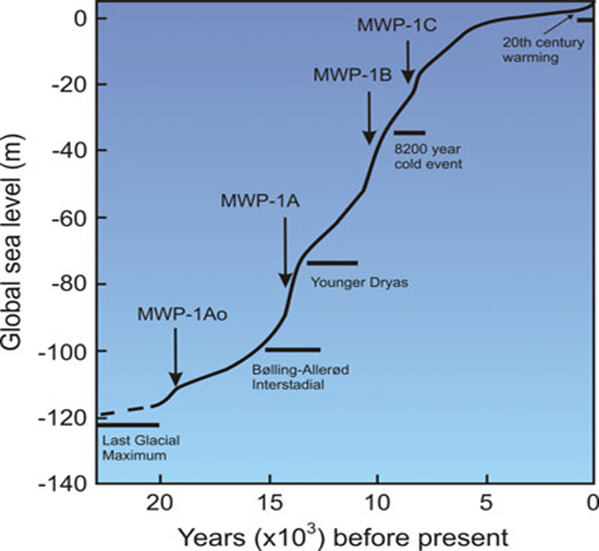
Figure 6.. Generalized sea level rise since the last ice age showing several meltwater pulses (MWP). MWP-1A0, c. 19,600-18,800 years ago; MWP-1A, 14,600 to 13,800 years ago; MWP-1B, 11,000-8,800 years ago; and MWP-1C, ~8,200-7,600 years ago. © Nasa model.
(Sea Level Changes)

The first significant increase in sea levels was (meltwater pulse 1Ao, or MWP 1Ao), 19,600-18,800 years ago, ocean levels climbed at least 10m within 800 years. However, not all sea-level proxies register this event.

A faster rise began 14,600 years ago during the comparatively mild Bølling-Allerød interstadial, which accelerated about 300 years later and peaked about 13,800 years ago (meltwater pulse 1A, or MWP 1A) (Stanford et al., 2011). Although it is a tremendous 20m surge in height, it should be recognised that this ‘pulse’ as only 16% of the total sea rise since the end of the LGM.

Computer models that “fingerprint” spatial patterns of sea-level rise attribute much of the meltwater to Antarctica. Different sources of ice melt leave geographically distinctive sea-level fingerprints because their ice unloading histories and the gravitational pull between shrinking ice masses and oceans vary.

On the other hand, geological data indicate significant deglaciation in Antarctica starting only toward the end of MWP 1A, which suggests that most of the meltwater originated from the breakup of Northern Hemisphere ice sheets. (Sea Level Changes)

During the Younger Dryas cold period, between 12,900 and 11,800 years ago, the encroaching oceans slowed their upward pace. A massive freshwater influx via the Mackenzie River into the Arctic Sea and ultimately the eastern North Atlantic may have triggered this cold episode. Once the warmth returned, rates of sea-level rise averaged 13 to 15 mm/yr during meltwater pulse 1B, 11,000-9,000 years ago, an event recorded in Barbados, but not in Pacific corals. This difference may arise from glacial isostatic or gravitational effects; alternatively, the increase at Barbados may have been overestimated.

Around 9,300 years ago, a glacial dam burst at the south-eastern end of Lake Superior, provoking pervasive Northern Hemisphere cooling, followed by a minor meltwater pulse about 9,000 years ago. However, meltwater pulse 1C (8,200-7,600 years ago) left traces at numerous locations in the United States, north-western Europe, and China. 

Most glacial melting ended by about 7,000-6,000 years ago.

Because of slowly diminishing adjustments of Earth’s lithosphere to ice sheet removal, sea level falls near formerly ice-covered regions and rises along the margins of the vanished ice sheets. (Kemp et al., 2011). This ‘conveyor belt’ carries warm water from the tropics (represented by red arrows) into the North Atlantic. There, the water cools and sinks before flowing back toward the south (yellow arrows). This pattern of circulation plays a vital role in regulating climate in the North Atlantic as well as the rest of the world. (Sea Level Changes)

More information on Sea Level Changes can be found at: https://youtu.be/j5LJ2sGcKOA (Sea Level Changes)

Further Reading

For information about British Prehistory, visit www.prehistoric-britain.co.uk for the most extensive archaeology blogs and investigations collection, including modern LiDAR reports.  This site also includes extracts and articles from the Robert John Langdon Trilogy about Britain in the Prehistoric period, including titles such as The Stonehenge Enigma, Dawn of the Lost Civilisation and the ultimate proof of Post Glacial Flooding and the landscape we see today.

Robert John Langdon has also created a YouTube web channel with over 100 investigations and video documentaries to support his classic trilogy (Prehistoric Britain). He has also released a collection of strange coincidences that he calls ‘13 Things that Don’t Make Sense in History’ and his recent discovery of a lost Stone Avenue at Avebury in Wiltshire called ‘Silbury Avenue – the Lost Stone Avenue’.

Langdon has also produced a series of ‘shorts’, which are extracts from his main body of books:

The Ancient Mariners

Stonehenge Built 8300 BCE

Old Sarum

Prehistoric Rivers

Dykes ditches and Earthworks

Echoes of Atlantis

Homo Superior

For active discussions on the findings of the TRILOGY and recent LiDAR investigations that are published on our WEBSITE, you can join our and leave a message or join the debate on our Facebook Group

(Sea Level Changes)

The Maths – LGM total ice volume

Extract from the book: The Post-Glacial Flooding Hypothesis

In a later paper, Lemieux (2017) had constructed a model to calculate the amount of LGM total ice volume that is absorbed into the ground to become groundwater.

“Glaciations are known to have a large and long-lasting impact on groundwater flow. Several geochemical and isotopic studies have shown that water of glacial origin is still present in basins in North America and northern Europe that were formerly covered by ice-sheets. The presence of glacial water is commonly identified by low salinity, depletion in heavy isotopes such as 18O and 2H, high excess air, cold recharge temperature inferred from noble gases, and old groundwater age”.

Moreover, what the research article also provides is the evidence that the meltwater will recharge the groundwater under the landmass as it recharges it throughout the glaciers life-cycle and not just the end during the glaciers retreat.

 “Subglacial recharge of meltwater is the prevailing hypothesis of recharge of water of glacial origin during the Pleistocene. Ice-sheets can be partially wet-based due to basal friction and can release large volumes of subglacial meltwater. If the permeability of the ground is sufficient, it was put forward that meltwater could infiltrate into the subsurface under pressure exerted by the ice sheet showed that recharge of supraglacial meltwater could also occur below ice-sheets due to the presence of crevasses”.(Lemieux,2017)

The paper also concluded that “By the end of the glacial maximum (15 ky B.P.), the meltwater contents in the intermediate and lower aquifers are about 10 and 12.5%, respectively and in the same aquifers, meltwater has travelled about 50 and 75 km”.

Therefore, even BEFORE the ice cap retreated and completely melted, meltwaters had moved tens of kilometres into the surface and had partly recharged the aquifers. (The Maths – LGM total ice volume)

The conclusion by Lemieux indicates that “The average infiltration/exfiltration fluxes range between 1 and 12 mm/a. Using mixed, ice sheet thickness-dependent boundary conditions for the subglacial environment, it was estimated that 15–70% of the meltwater infiltrated into the subsurface as recharge, with an average of 43%.”

Therefore, we can now return to our original meltwater calculation of 8.42 quadrillion tonnes of water for the Fennoscandia & U.K. Ice Sheet to give us an estimate of groundwater in the land at the end of the last ice age. (The Maths – LGM total ice volume)

According to ‘Table 1’ The Fennoscandian and Great Britain ice sheet covered 9.18 106 KM2, which is equivalent to: 

  • 8.42 106 Gigatonnes of water / 9.18 106 km2, which gives us 0.92 Gt per km2
    • 0.92 Gt of water at a penetration rate of 43%, give us 0.4 Gt of water per km2
    • 0.4 Gigatonnes of water by U.K. landmass 242,495 km² give us 96,998 Gt of groundwater in the ground even BEFORE the start of the Meltwater pulses

Moreover, this water will be released at a rate of 1 – 12mm per annum and be at a depth of possibly 75km. Therefore, to release groundwater at a depth of 75km at an average rate of 6mm per annum would take 12,500 years – not the 1,200 years previously believed, which is just the surface meltwater from the latter stages of last ice age. (The Maths – LGM total ice volume)

The Maths - LGM total ice volume
Location of Aquifers and recharge time depending on depth – The Maths – LGM total ice volume

More information on LGM Ice Volume can be found: https://youtu.be/j5LJ2sGcKOA

Further Reading

For information about British Prehistory, visit www.prehistoric-britain.co.uk for the most extensive archaeology blogs and investigations collection, including modern LiDAR reports.  This site also includes extracts and articles from the Robert John Langdon Trilogy about Britain in the Prehistoric period, including titles such as The Stonehenge Enigma, Dawn of the Lost Civilisation and the ultimate proof of Post Glacial Flooding and the landscape we see today.

Robert John Langdon has also created a YouTube web channel with over 100 investigations and video documentaries to support his classic trilogy (Prehistoric Britain). He has also released a collection of strange coincidences that he calls ‘13 Things that Don’t Make Sense in History’ and his recent discovery of a lost Stone Avenue at Avebury in Wiltshire called ‘Silbury Avenue – the Lost Stone Avenue’. (The Maths – LGM total ice volume)

Langdon has also produced a series of ‘shorts’, which are extracts from his main body of books:

The Ancient Mariners

Stonehenge Built 8300 BCE

Old Sarum

Prehistoric Rivers

Dykes ditches and Earthworks

Echoes of Atlantis

Homo Superior

For active discussions on the findings of the TRILOGY and recent LiDAR investigations that are published on our WEBSITE, you can join our and leave a message or join the debate on our Facebook Group.

(The Maths – LGM total ice volume)

The Post-Glacial Flooding Theory

Extract from the book: The Post-Glacial Flooding Theory / Hypothesis

Twelve thousand years ago, according to our written history, the glaciers from the last Ice Age finally melted away, revealing the Britain we know today. For over 100,000 years (at the end of the Pleistocene Epoch) Britain had been underneath two miles of ice, compressing the ground by its sheer weight, so much so, that the land surface was then some 2,000 feet below its original level. Thus the melting of this meltwater created the perfect conditions for Post-Glacial Flooding in rivers, which has consequently fallen slowly, to become the landscape we know and are familiar with nowadays.

Geologists have assumed that these glaciers melted due to warming in climatic conditions creating a series of ‘meltwater pulses’ over a short period of time, but they have failed to date to produce a realistic model that fits the total meltwater discharge which eventually created not only the North and Irish Seas but the hundreds of feet of sea-level rises that we are still experiencing today.

If you study any British Geological Society (BGS) map of Britain, you will notice it shows a series of bedrock, sedimentary and superficial deposits. Below these deposits, is a labyrinth of material that look like canals and gigantic waterways which lay under the surface on top of the bedrock, which is the remains of Palaeochannels from the last ice age. This evidence is a testament to how the landscape would have looked when the rivers were at their highest and when they were discharging at their maximum levels.

These superficial deposits that resemble ancient rivers can be seen on the surface and are known to archaeologists, geologists and the general public as ‘Dry River Valleys’ – because the river valleys today are currently dry.  These great waterways can be readily seen in profile in the cliffs and valleys of the South Downs, where they show their curved river nature by the remains of the superficial subsoil consisting of sand, silt and clay. 

Past geologists have failed to identify these huge concave broken chalk sections of the cliffs accurately, or to date the river terraces deposited from the remains of the meltwater of the last glaciation maximum (LGM), as they have historically only identified the gravels and bedrock within geological periods.  Their arguments are compounded as they fail to explain why they are relatively short distances from the sandy silt to today’s topsoil or why silt and sand are at elevations above supposed earlier river terracing, so they suggest these deposits are ‘windblown Loess’ – blown into position rather than deposits laid down by rivers of the past.

This book uses existing scientific evidence from peer-reviewed publications and modern mathematical models to give you an understanding of how the landscape looked in the Holocene period, giving archaeologists the tools to reveal fresh discoveries and a better understanding of our history.

The Post-Glacial Flooding Theory
Cliffs of the South Downs, showing the size and scale of the ‘Superficial Deposits’
The Post-Glacial Flooding Theory
Close inspection shows that the chalk is broken and has been re-laid with extra sand and silt in-between the ‘tossed chalk’ – Geologists find this impossible to date accurately.

More information about Post Glacial Flooding can be found at: https://youtu.be/j5LJ2sGcKOA

For more information about British Prehistory and other articles/books, go to our BLOG WEBSITE for daily updates or our VIDEO CHANNEL for interactive media and documentaries. The TRILOGY of books that ‘changed history’ can be found with chapter extracts at DAWN OF THE LOST CIVILISATIONTHE STONEHENGE ENIGMA and THE POST-GLACIAL FLOODING HYPOTHESIS. Other associated books are also available such as 13 THINGS THAT DON’T MAKE SENSE IN HISTORY and other ‘short’ budget priced books can be found on our AUTHOR SITE. For active discussion on the findings of the TRILOGY and recent LiDAR investigations that is published on our WEBSITE you can join our FACEBOOK GROUP.

Further Reading

For information about British Prehistory, visit www.prehistoric-britain.co.uk for the most extensive archaeology blogs and investigations collection, including modern LiDAR reports.  This site also includes extracts and articles from the Robert John Langdon Trilogy about Britain in the Prehistoric period, including titles such as The Stonehenge Enigma, Dawn of the Lost Civilisation and the ultimate proof of Post Glacial Flooding and the landscape we see today.

Robert John Langdon has also created a YouTube web channel with over 100 investigations and video documentaries to support his classic trilogy (Prehistoric Britain). He has also released a collection of strange coincidences that he calls ‘13 Things that Don’t Make Sense in History’ and his recent discovery of a lost Stone Avenue at Avebury in Wiltshire called ‘Silbury Avenue – the Lost Stone Avenue’.

Langdon has also produced a series of ‘shorts’, which are extracts from his main body of books:

The Ancient Mariners

Stonehenge Built 8300 BCE

Old Sarum

Prehistoric Rivers

Dykes ditches and Earthworks

Echoes of Atlantis

Homo Superior

For active discussions on the findings of the TRILOGY and recent LiDAR investigations that are published on our WEBSITE, you can join our and leave a message or join the debate on our Facebook Group.

TSE DVD – Stonehenge Phase I

This is the first chapter of the FREE DVD Documentary – TSE DVD – Stonehenge Phase I

Stonehenge Phase I

Further Reading

For information about British Prehistory, visit www.prehistoric-britain.co.uk for the most extensive archaeology blogs and investigations collection, including modern LiDAR reports.  This site also includes extracts and articles from the Robert John Langdon Trilogy about Britain in the Prehistoric period, including titles such as The Stonehenge Enigma, Dawn of the Lost Civilisation and the ultimate proof of Post Glacial Flooding and the landscape we see today.

Robert John Langdon has also created a YouTube web channel with over 100 investigations and video documentaries to support his classic trilogy (Prehistoric Britain). He has also released a collection of strange coincidences that he calls ‘13 Things that Don’t Make Sense in History’ and his recent discovery of a lost Stone Avenue at Avebury in Wiltshire called ‘Silbury Avenue – the Lost Stone Avenue’. (TSE DVD – Stonehenge Phase I)

Langdon has also produced a series of ‘shorts’, which are extracts from his main body of books:

The Ancient Mariners

Stonehenge Built 8300 BCE

Old Sarum

Prehistoric Rivers

Dykes ditches and Earthworks

Echoes of Atlantis

Homo Superior

For active discussions on the findings of the TRILOGY and recent LiDAR investigations that are published on our WEBSITE, you can join our and leave a message or join the debate on our Facebook Group. (TSE DVD – Stonehenge Phase I)

Further Reading

For in-depth information about British Prehistory, we invite you to explore www.prehistoric-britain.co.uk, an extensive resource featuring archaeology blogs and investigations. This collection includes modern LiDAR reports that shed light on ancient landscapes. Additionally, you will find extracts and articles from the Robert John Langdon Trilogy, offering fascinating insights into Britain during the Prehistoric period. Some notable titles from the trilogy include “The Stonehenge Enigma,” “Dawn of the Lost Civilisation,” and groundbreaking evidence of Post Glacial Flooding and its impact on the landscape we see today.

Robert John Langdon has further enriched the exploration of Prehistoric Britain through his YouTube web channel, boasting over 100 investigations and video documentaries that complement his classic trilogy. In addition to his extensive work, Langdon has unveiled a compilation of intriguing coincidences titled “13 Things that Don’t Make Sense in History.” He has also brought to light his recent discovery of a forgotten Stone Avenue in Avebury, Wiltshire, aptly named ‘Silbury Avenue – the Lost Stone Avenue.’

For those who wish to actively engage in discussions about the findings from the TRILOGY and recent LiDAR investigations, we invite you to join our community. You can participate by leaving messages and joining debates on our dedicated Facebook Group. We encourage open dialogue and the exchange of ideas to foster a deeper understanding of Prehistoric Britain and its fascinating mysteries.

As you embark on your journey through British Prehistory, we hope these resources provide valuable insights and inspire further exploration of this captivating field of study. (TSE DVD – Stonehenge Phase I)

Unlocking the Mysteries of British Prehistory

Delve into the depths of time, as we embark on a captivating voyage into the enigmatic world of British prehistory. www.prehistoric-britain.co.uk is your portal to a treasure trove of archaeological wonders, modern LiDAR reports, and fascinating insights from the Robert John Langdon Trilogy. This immersive digital hub is your key to unlocking the secrets of Britain’s ancient past.

A Glimpse into the Robert John Langdon Trilogy

Step into the shoes of Robert John Langdon, a dedicated explorer of Britain’s prehistoric mysteries. His trilogy, comprising “The Stonehenge Enigma,” “Dawn of the Lost Civilization,” and “The Post-Glacial Flooding Hypothesis,” is a literary marvel that unravels the untold tales of our ancestors. These books take you on an exhilarating journey through time, meticulously researched and backed by over 125 references from esteemed scientists, archaeological experts, and geological researchers.

Dive into the World of LiDAR

At www.prehistoric-britain.co.uk, we harness the power of LiDAR technology to unearth hidden landscapes and archaeological marvels. Our LiDAR reports offer a modern lens through which you can peer into ancient history. Explore the effects of flooding on the British environment after the great ice age melt, a phenomenon that has shaped the landscape we see today. Join us in decoding the mysteries of our past using cutting-edge technology. (TSE DVD – Stonehenge Phase I)

A Multimedia Experience

Our commitment to storytelling extends beyond the written word. Robert John Langdon has curated a rich multimedia experience, including a YouTube web channel featuring over 100 investigations and video documentaries. These visual journeys complement his classic trilogy, providing a multi-dimensional understanding of prehistoric Britain. From Stonehenge’s construction in 8300 BCE to the lost Stone Avenue at Avebury in Wiltshire known as ‘Silbury Avenue,’ these documentaries offer an immersive experience that brings history to life.

Explore the ’13 Things that Don’t Make Sense in History’

History is replete with anomalies and enigmas that defy explanation. Robert John Langdon has curated a collection of such historical curiosities in ’13 Things that Don’t Make Sense in History.’ These peculiar occurrences and unanswered questions will leave you pondering the mysteries of the past, inviting you to join the debate on their possible interpretations. (TSE DVD – Stonehenge Phase I)

A Journey through Short Extracts

For those seeking concise insights, Langdon’s ‘shorts’ provide a glimpse into key topics such as ‘The Ancient Mariners,’ ‘Stonehenge Built 8300 BCE,’ ‘Old Sarum,’ ‘Prehistoric Rivers,’ ‘Dikes, Ditches, and Earthworks,’ ‘Echoes of Atlantis,’ and ‘Homo Superior.’ These bite-sized excerpts from his main body of work offer a quick yet informative overview of fascinating subjects in British prehistory.

Join the Discussion

The quest for knowledge is a communal endeavor. At www.prehistoric-britain.co.uk, we encourage active participation and discussion. Engage with like-minded enthusiasts and scholars to share your thoughts, insights, and questions. Our platform fosters a vibrant community of individuals passionate about uncovering the mysteries of British prehistory. Join the debate, leave a message, and be part of an ongoing exploration into our ancient past.

In conclusion, www.prehistoric-britain.co.uk is your gateway to a world of prehistoric wonders. From the pages of Robert John Langdon’s Trilogy to the visual splendor of LiDAR reports and video documentaries, our platform offers a holistic approach to understanding British prehistory. Explore, engage, and embark on a journey through time like never before. Join us in unraveling the mysteries that shroud our ancient heritage. Visit our website today and become a part of the ongoing adventure into British prehistory.

Stonehenge Phase I

TSE DVD – An Inconvenient Truth

This is the second chapter of the FREE DVD Documentary – TSE DVD An Inconvenient Truth

An Inconvenient Truth

Further Reading

For information about British Prehistory, visit www.prehistoric-britain.co.uk for the most extensive archaeology blogs and investigations collection, including modern LiDAR reports.  This site also includes extracts and articles from the Robert John Langdon Trilogy about Britain in the Prehistoric period, including titles such as The Stonehenge Enigma, Dawn of the Lost Civilisation and the ultimate proof of Post Glacial Flooding and the landscape we see today.

Robert John Langdon has also created a YouTube web channel with over 100 investigations and video documentaries to support his classic trilogy (Prehistoric Britain). He has also released a collection of strange coincidences that he calls ‘13 Things that Don’t Make Sense in History’ and his recent discovery of a lost Stone Avenue at Avebury in Wiltshire called ‘Silbury Avenue – the Lost Stone Avenue’. (TSE DVD – An Inconvenient Truth)

Langdon has also produced a series of ‘shorts’, which are extracts from his main body of books:

The Ancient Mariners

Stonehenge Built 8300 BCE

Old Sarum

Prehistoric Rivers

Dykes ditches and Earthworks

Echoes of Atlantis

Homo Superior

For active discussions on the findings of the TRILOGY and recent LiDAR investigations that are published on our WEBSITE, you can join our and leave a message or join the debate on our Facebook Group. (TSE DVD – An Inconvenient Truth)

Further Reading

For in-depth information about British Prehistory, we invite you to explore www.prehistoric-britain.co.uk, an extensive resource featuring archaeology blogs and investigations. This collection includes modern LiDAR reports that shed light on ancient landscapes. Additionally, you will find extracts and articles from the Robert John Langdon Trilogy, offering fascinating insights into Britain during the Prehistoric period. Some notable titles from the trilogy include “The Stonehenge Enigma,” “Dawn of the Lost Civilisation,” and groundbreaking evidence of Post Glacial Flooding and its impact on the landscape we see today.

Robert John Langdon has further enriched the exploration of Prehistoric Britain through his YouTube web channel, boasting over 100 investigations and video documentaries that complement his classic trilogy. In addition to his extensive work, Langdon has unveiled a compilation of intriguing coincidences titled “13 Things that Don’t Make Sense in History.” He has also brought to light his recent discovery of a forgotten Stone Avenue in Avebury, Wiltshire, aptly named ‘Silbury Avenue – the Lost Stone Avenue.’

For those who wish to actively engage in discussions about the findings from the TRILOGY and recent LiDAR investigations, we invite you to join our community. You can participate by leaving messages and joining debates on our dedicated Facebook Group. We encourage open dialogue and the exchange of ideas to foster a deeper understanding of Prehistoric Britain and its fascinating mysteries.

As you embark on your journey through British Prehistory, we hope these resources provide valuable insights and inspire further exploration of this captivating field of study. (TSE DVD – An Inconvenient Truth)

Unlocking the Mysteries of British Prehistory

Delve into the depths of time, as we embark on a captivating voyage into the enigmatic world of British prehistory. www.prehistoric-britain.co.uk is your portal to a treasure trove of archaeological wonders, modern LiDAR reports, and fascinating insights from the Robert John Langdon Trilogy. This immersive digital hub is your key to unlocking the secrets of Britain’s ancient past.

A Glimpse into the Robert John Langdon Trilogy

Step into the shoes of Robert John Langdon, a dedicated explorer of Britain’s prehistoric mysteries. His trilogy, comprising “The Stonehenge Enigma,” “Dawn of the Lost Civilization,” and “The Post-Glacial Flooding Hypothesis,” is a literary marvel that unravels the untold tales of our ancestors. These books take you on an exhilarating journey through time, meticulously researched and backed by over 125 references from esteemed scientists, archaeological experts, and geological researchers.

Dive into the World of LiDAR

At www.prehistoric-britain.co.uk, we harness the power of LiDAR technology to unearth hidden landscapes and archaeological marvels. Our LiDAR reports offer a modern lens through which you can peer into ancient history. Explore the effects of flooding on the British environment after the great ice age melt, a phenomenon that has shaped the landscape we see today. Join us in decoding the mysteries of our past using cutting-edge technology. (TSE DVD – The Post-Glacial Hypothesis)

A Multimedia Experience

Our commitment to storytelling extends beyond the written word. Robert John Langdon has curated a rich multimedia experience, including a YouTube web channel featuring over 100 investigations and video documentaries. These visual journeys complement his classic trilogy, providing a multi-dimensional understanding of prehistoric Britain. From Stonehenge’s construction in 8300 BCE to the lost Stone Avenue at Avebury in Wiltshire known as ‘Silbury Avenue,’ these documentaries offer an immersive experience that brings history to life.

Explore the ’13 Things that Don’t Make Sense in History’

History is replete with anomalies and enigmas that defy explanation. Robert John Langdon has curated a collection of such historical curiosities in ’13 Things that Don’t Make Sense in History.’ These peculiar occurrences and unanswered questions will leave you pondering the mysteries of the past, inviting you to join the debate on their possible interpretations. (TSE DVD – An Inconvenient Truth)

A Journey through Short Extracts

For those seeking concise insights, Langdon’s ‘shorts’ provide a glimpse into key topics such as ‘The Ancient Mariners,’ ‘Stonehenge Built 8300 BCE,’ ‘Old Sarum,’ ‘Prehistoric Rivers,’ ‘Dikes, Ditches, and Earthworks,’ ‘Echoes of Atlantis,’ and ‘Homo Superior.’ These bite-sized excerpts from his main body of work offer a quick yet informative overview of fascinating subjects in British prehistory.

Join the Discussion

The quest for knowledge is a communal endeavor. At www.prehistoric-britain.co.uk, we encourage active participation and discussion. Engage with like-minded enthusiasts and scholars to share your thoughts, insights, and questions. Our platform fosters a vibrant community of individuals passionate about uncovering the mysteries of British prehistory. Join the debate, leave a message, and be part of an ongoing exploration into our ancient past.

In conclusion, www.prehistoric-britain.co.uk is your gateway to a world of prehistoric wonders. From the pages of Robert John Langdon’s Trilogy to the visual splendor of LiDAR reports and video documentaries, our platform offers a holistic approach to understanding British prehistory. Explore, engage, and embark on a journey through time like never before. Join us in unraveling the mysteries that shroud our ancient heritage. Visit our website today and become a part of the ongoing adventure into British prehistory.

(TSE DVD – An Inconvenient Truth)

TSE DVD – Stonehenge Phase II

This is the third chapter of the FREE DVD Documentary – TSE DVD – Stonehenge Phase II

TSE DVD – Stonehenge Phase II

Further Reading

For information about British Prehistory, visit www.prehistoric-britain.co.uk for the most extensive archaeology blogs and investigations collection, including modern LiDAR reports.  This site also includes extracts and articles from the Robert John Langdon Trilogy about Britain in the Prehistoric period, including titles such as The Stonehenge Enigma, Dawn of the Lost Civilisation and the ultimate proof of Post Glacial Flooding and the landscape we see today.

Robert John Langdon has also created a YouTube web channel with over 100 investigations and video documentaries to support his classic trilogy (Prehistoric Britain). He has also released a collection of strange coincidences that he calls ‘13 Things that Don’t Make Sense in History’ and his recent discovery of a lost Stone Avenue at Avebury in Wiltshire called ‘Silbury Avenue – the Lost Stone Avenue’. (TSE DVD – Stonehenge Phase II)

Langdon has also produced a series of ‘shorts’, which are extracts from his main body of books:

The Ancient Mariners

Stonehenge Built 8300 BCE

Old Sarum

Prehistoric Rivers

Dykes ditches and Earthworks

Echoes of Atlantis

Homo Superior

For active discussions on the findings of the TRILOGY and recent LiDAR investigations that are published on our WEBSITE, you can join our and leave a message or join the debate on our Facebook Group. (TSE DVD – Stonehenge Phase II)

Further Reading

For in-depth information about British Prehistory, we invite you to explore www.prehistoric-britain.co.uk, an extensive resource featuring archaeology blogs and investigations. This collection includes modern LiDAR reports that shed light on ancient landscapes. Additionally, you will find extracts and articles from the Robert John Langdon Trilogy, offering fascinating insights into Britain during the Prehistoric period. Some notable titles from the trilogy include “The Stonehenge Enigma,” “Dawn of the Lost Civilisation,” and groundbreaking evidence of Post Glacial Flooding and its impact on the landscape we see today.

Robert John Langdon has further enriched the exploration of Prehistoric Britain through his YouTube web channel, boasting over 100 investigations and video documentaries that complement his classic trilogy. In addition to his extensive work, Langdon has unveiled a compilation of intriguing coincidences titled “13 Things that Don’t Make Sense in History.” He has also brought to light his recent discovery of a forgotten Stone Avenue in Avebury, Wiltshire, aptly named ‘Silbury Avenue – the Lost Stone Avenue.’

For those who wish to actively engage in discussions about the findings from the TRILOGY and recent LiDAR investigations, we invite you to join our community. You can participate by leaving messages and joining debates on our dedicated Facebook Group. We encourage open dialogue and the exchange of ideas to foster a deeper understanding of Prehistoric Britain and its fascinating mysteries.

As you embark on your journey through British Prehistory, we hope these resources provide valuable insights and inspire further exploration of this captivating field of study. (TSE DVD – Stonehenge Phase II)

Unlocking the Mysteries of British Prehistory

Delve into the depths of time, as we embark on a captivating voyage into the enigmatic world of British prehistory. www.prehistoric-britain.co.uk is your portal to a treasure trove of archaeological wonders, modern LiDAR reports, and fascinating insights from the Robert John Langdon Trilogy. This immersive digital hub is your key to unlocking the secrets of Britain’s ancient past.

A Glimpse into the Robert John Langdon Trilogy

Step into the shoes of Robert John Langdon, a dedicated explorer of Britain’s prehistoric mysteries. His trilogy, comprising “The Stonehenge Enigma,” “Dawn of the Lost Civilization,” and “The Post-Glacial Flooding Hypothesis,” is a literary marvel that unravels the untold tales of our ancestors. These books take you on an exhilarating journey through time, meticulously researched and backed by over 125 references from esteemed scientists, archaeological experts, and geological researchers.

Dive into the World of LiDAR

At www.prehistoric-britain.co.uk, we harness the power of LiDAR technology to unearth hidden landscapes and archaeological marvels. Our LiDAR reports offer a modern lens through which you can peer into ancient history. Explore the effects of flooding on the British environment after the great ice age melt, a phenomenon that has shaped the landscape we see today. Join us in decoding the mysteries of our past using cutting-edge technology. (TSE DVD – The Post-Glacial Hypothesis)

A Multimedia Experience

Our commitment to storytelling extends beyond the written word. Robert John Langdon has curated a rich multimedia experience, including a YouTube web channel featuring over 100 investigations and video documentaries. These visual journeys complement his classic trilogy, providing a multi-dimensional understanding of prehistoric Britain. From Stonehenge’s construction in 8300 BCE to the lost Stone Avenue at Avebury in Wiltshire known as ‘Silbury Avenue,’ these documentaries offer an immersive experience that brings history to life.

Explore the ’13 Things that Don’t Make Sense in History’

History is replete with anomalies and enigmas that defy explanation. Robert John Langdon has curated a collection of such historical curiosities in ’13 Things that Don’t Make Sense in History.’ These peculiar occurrences and unanswered questions will leave you pondering the mysteries of the past, inviting you to join the debate on their possible interpretations. (TSE DVD – Stonehenge Phase II)

A Journey through Short Extracts

For those seeking concise insights, Langdon’s ‘shorts’ provide a glimpse into key topics such as ‘The Ancient Mariners,’ ‘Stonehenge Built 8300 BCE,’ ‘Old Sarum,’ ‘Prehistoric Rivers,’ ‘Dikes, Ditches, and Earthworks,’ ‘Echoes of Atlantis,’ and ‘Homo Superior.’ These bite-sized excerpts from his main body of work offer a quick yet informative overview of fascinating subjects in British prehistory.

Join the Discussion

The quest for knowledge is a communal endeavor. At www.prehistoric-britain.co.uk, we encourage active participation and discussion. Engage with like-minded enthusiasts and scholars to share your thoughts, insights, and questions. Our platform fosters a vibrant community of individuals passionate about uncovering the mysteries of British prehistory. Join the debate, leave a message, and be part of an ongoing exploration into our ancient past.

In conclusion, www.prehistoric-britain.co.uk is your gateway to a world of prehistoric wonders. From the pages of Robert John Langdon’s Trilogy to the visual splendor of LiDAR reports and video documentaries, our platform offers a holistic approach to understanding British prehistory. Explore, engage, and embark on a journey through time like never before. Join us in unraveling the mysteries that shroud our ancient heritage. Visit our website today and become a part of the ongoing adventure into British prehistory.

(TSE DVD – Stonehenge Phase II)

TSE DVD – Durrington Walls & Woodhenge

This is the fourth chapter of the FREE DVD Documentary – TSE DVD – Durrington Walls & Woodhenge

TSE DVD – Durrington Walls & Woodhenge

Further Reading

For information about British Prehistory, visit www.prehistoric-britain.co.uk for the most extensive archaeology blogs and investigations collection, including modern LiDAR reports.  This site also includes extracts and articles from the Robert John Langdon Trilogy about Britain in the Prehistoric period, including titles such as The Stonehenge Enigma, Dawn of the Lost Civilisation and the ultimate proof of Post Glacial Flooding and the landscape we see today.

Robert John Langdon has also created a YouTube web channel with over 100 investigations and video documentaries to support his classic trilogy (Prehistoric Britain). He has also released a collection of strange coincidences that he calls ‘13 Things that Don’t Make Sense in History’ and his recent discovery of a lost Stone Avenue at Avebury in Wiltshire called ‘Silbury Avenue – the Lost Stone Avenue’. (TSE DVD – Durrington Walls & Woodhenge)

Langdon has also produced a series of ‘shorts’, which are extracts from his main body of books:

The Ancient Mariners

Stonehenge Built 8300 BCE

Old Sarum

Prehistoric Rivers

Dykes ditches and Earthworks

Echoes of Atlantis

Homo Superior

For active discussions on the findings of the TRILOGY and recent LiDAR investigations that are published on our WEBSITE, you can join our and leave a message or join the debate on our Facebook Group. (TSE DVD – Durrington Walls & Woodhenge)

Further Reading

For in-depth information about British Prehistory, we invite you to explore www.prehistoric-britain.co.uk, an extensive resource featuring archaeology blogs and investigations. This collection includes modern LiDAR reports that shed light on ancient landscapes. Additionally, you will find extracts and articles from the Robert John Langdon Trilogy, offering fascinating insights into Britain during the Prehistoric period. Some notable titles from the trilogy include “The Stonehenge Enigma,” “Dawn of the Lost Civilisation,” and groundbreaking evidence of Post Glacial Flooding and its impact on the landscape we see today.

Robert John Langdon has further enriched the exploration of Prehistoric Britain through his YouTube web channel, boasting over 100 investigations and video documentaries that complement his classic trilogy. In addition to his extensive work, Langdon has unveiled a compilation of intriguing coincidences titled “13 Things that Don’t Make Sense in History.” He has also brought to light his recent discovery of a forgotten Stone Avenue in Avebury, Wiltshire, aptly named ‘Silbury Avenue – the Lost Stone Avenue.’

For those who wish to actively engage in discussions about the findings from the TRILOGY and recent LiDAR investigations, we invite you to join our community. You can participate by leaving messages and joining debates on our dedicated Facebook Group. We encourage open dialogue and the exchange of ideas to foster a deeper understanding of Prehistoric Britain and its fascinating mysteries.

As you embark on your journey through British Prehistory, we hope these resources provide valuable insights and inspire further exploration of this captivating field of study. (TSE DVD – Durrington Walls & Woodhenge)

Unlocking the Mysteries of British Prehistory

Delve into the depths of time, as we embark on a captivating voyage into the enigmatic world of British prehistory. www.prehistoric-britain.co.uk is your portal to a treasure trove of archaeological wonders, modern LiDAR reports, and fascinating insights from the Robert John Langdon Trilogy. This immersive digital hub is your key to unlocking the secrets of Britain’s ancient past.

A Glimpse into the Robert John Langdon Trilogy

Step into the shoes of Robert John Langdon, a dedicated explorer of Britain’s prehistoric mysteries. His trilogy, comprising “The Stonehenge Enigma,” “Dawn of the Lost Civilization,” and “The Post-Glacial Flooding Hypothesis,” is a literary marvel that unravels the untold tales of our ancestors. These books take you on an exhilarating journey through time, meticulously researched and backed by over 125 references from esteemed scientists, archaeological experts, and geological researchers.

Dive into the World of LiDAR

At www.prehistoric-britain.co.uk, we harness the power of LiDAR technology to unearth hidden landscapes and archaeological marvels. Our LiDAR reports offer a modern lens through which you can peer into ancient history. Explore the effects of flooding on the British environment after the great ice age melt, a phenomenon that has shaped the landscape we see today. Join us in decoding the mysteries of our past using cutting-edge technology. (TSE DVD – Durrington Walls & Woodhenge)

A Multimedia Experience

Our commitment to storytelling extends beyond the written word. Robert John Langdon has curated a rich multimedia experience, including a YouTube web channel featuring over 100 investigations and video documentaries. These visual journeys complement his classic trilogy, providing a multi-dimensional understanding of prehistoric Britain. From Stonehenge’s construction in 8300 BCE to the lost Stone Avenue at Avebury in Wiltshire known as ‘Silbury Avenue,’ these documentaries offer an immersive experience that brings history to life.

Explore the ’13 Things that Don’t Make Sense in History’

History is replete with anomalies and enigmas that defy explanation. Robert John Langdon has curated a collection of such historical curiosities in ’13 Things that Don’t Make Sense in History.’ These peculiar occurrences and unanswered questions will leave you pondering the mysteries of the past, inviting you to join the debate on their possible interpretations. (TSE DVD – Durrington Walls & Woodhenge)

A Journey through Short Extracts

For those seeking concise insights, Langdon’s ‘shorts’ provide a glimpse into key topics such as ‘The Ancient Mariners,’ ‘Stonehenge Built 8300 BCE,’ ‘Old Sarum,’ ‘Prehistoric Rivers,’ ‘Dikes, Ditches, and Earthworks,’ ‘Echoes of Atlantis,’ and ‘Homo Superior.’ These bite-sized excerpts from his main body of work offer a quick yet informative overview of fascinating subjects in British prehistory.

Join the Discussion

The quest for knowledge is a communal endeavor. At www.prehistoric-britain.co.uk, we encourage active participation and discussion. Engage with like-minded enthusiasts and scholars to share your thoughts, insights, and questions. Our platform fosters a vibrant community of individuals passionate about uncovering the mysteries of British prehistory. Join the debate, leave a message, and be part of an ongoing exploration into our ancient past.

In conclusion, www.prehistoric-britain.co.uk is your gateway to a world of prehistoric wonders. From the pages of Robert John Langdon’s Trilogy to the visual splendor of LiDAR reports and video documentaries, our platform offers a holistic approach to understanding British prehistory. Explore, engage, and embark on a journey through time like never before. Join us in unraveling the mysteries that shroud our ancient heritage. Visit our website today and become a part of the ongoing adventure into British prehistory.

(TSE DVD – Durrington Walls & Woodhenge)

TSE DVD Old Sarum

This is the first chapter of the FREE DVD Documentary -TSE DVD Old Sarum

TSE DVD Old Sarum

Further Reading

For information about British Prehistory, visit www.prehistoric-britain.co.uk for the most extensive archaeology blogs and investigations collection, including modern LiDAR reports.  This site also includes extracts and articles from the Robert John Langdon Trilogy about Britain in the Prehistoric period, including titles such as The Stonehenge Enigma, Dawn of the Lost Civilisation and the ultimate proof of Post Glacial Flooding and the landscape we see today.

Robert John Langdon has also created a YouTube web channel with over 100 investigations and video documentaries to support his classic trilogy (Prehistoric Britain). He has also released a collection of strange coincidences that he calls ‘13 Things that Don’t Make Sense in History’ and his recent discovery of a lost Stone Avenue at Avebury in Wiltshire called ‘Silbury Avenue – the Lost Stone Avenue’. (TSE DVD Old Sarum)

Langdon has also produced a series of ‘shorts’, which are extracts from his main body of books:

The Ancient Mariners

Stonehenge Built 8300 BCE

Old Sarum

Prehistoric Rivers

Dykes ditches and Earthworks

Echoes of Atlantis

Homo Superior

For active discussions on the findings of the TRILOGY and recent LiDAR investigations that are published on our WEBSITE, you can join our and leave a message or join the debate on our Facebook Group. (TSE DVD Old Sarum)

Further Reading

For in-depth information about British Prehistory, we invite you to explore www.prehistoric-britain.co.uk, an extensive resource featuring archaeology blogs and investigations. This collection includes modern LiDAR reports that shed light on ancient landscapes. Additionally, you will find extracts and articles from the Robert John Langdon Trilogy, offering fascinating insights into Britain during the Prehistoric period. Some notable titles from the trilogy include “The Stonehenge Enigma,” “Dawn of the Lost Civilisation,” and groundbreaking evidence of Post Glacial Flooding and its impact on the landscape we see today.

Robert John Langdon has further enriched the exploration of Prehistoric Britain through his YouTube web channel, boasting over 100 investigations and video documentaries that complement his classic trilogy. In addition to his extensive work, Langdon has unveiled a compilation of intriguing coincidences titled “13 Things that Don’t Make Sense in History.” He has also brought to light his recent discovery of a forgotten Stone Avenue in Avebury, Wiltshire, aptly named ‘Silbury Avenue – the Lost Stone Avenue.’

For those who wish to actively engage in discussions about the findings from the TRILOGY and recent LiDAR investigations, we invite you to join our community. You can participate by leaving messages and joining debates on our dedicated Facebook Group. We encourage open dialogue and the exchange of ideas to foster a deeper understanding of Prehistoric Britain and its fascinating mysteries.

As you embark on your journey through British Prehistory, we hope these resources provide valuable insights and inspire further exploration of this captivating field of study. (TSE DVD Old Sarum)

Unlocking the Mysteries of British Prehistory

Delve into the depths of time, as we embark on a captivating voyage into the enigmatic world of British prehistory. www.prehistoric-britain.co.uk is your portal to a treasure trove of archaeological wonders, modern LiDAR reports, and fascinating insights from the Robert John Langdon Trilogy. This immersive digital hub is your key to unlocking the secrets of Britain’s ancient past.

A Glimpse into the Robert John Langdon Trilogy

Step into the shoes of Robert John Langdon, a dedicated explorer of Britain’s prehistoric mysteries. His trilogy, comprising “The Stonehenge Enigma,” “Dawn of the Lost Civilization,” and “The Post-Glacial Flooding Hypothesis,” is a literary marvel that unravels the untold tales of our ancestors. These books take you on an exhilarating journey through time, meticulously researched and backed by over 125 references from esteemed scientists, archaeological experts, and geological researchers.

Dive into the World of LiDAR

At www.prehistoric-britain.co.uk, we harness the power of LiDAR technology to unearth hidden landscapes and archaeological marvels. Our LiDAR reports offer a modern lens through which you can peer into ancient history. Explore the effects of flooding on the British environment after the great ice age melt, a phenomenon that has shaped the landscape we see today. Join us in decoding the mysteries of our past using cutting-edge technology. (TSE DVD – The Post-Glacial Hypothesis)

A Multimedia Experience

Our commitment to storytelling extends beyond the written word. Robert John Langdon has curated a rich multimedia experience, including a YouTube web channel featuring over 100 investigations and video documentaries. These visual journeys complement his classic trilogy, providing a multi-dimensional understanding of prehistoric Britain. From Stonehenge’s construction in 8300 BCE to the lost Stone Avenue at Avebury in Wiltshire known as ‘Silbury Avenue,’ these documentaries offer an immersive experience that brings history to life.

Explore the ’13 Things that Don’t Make Sense in History’

History is replete with anomalies and enigmas that defy explanation. Robert John Langdon has curated a collection of such historical curiosities in ’13 Things that Don’t Make Sense in History.’ These peculiar occurrences and unanswered questions will leave you pondering the mysteries of the past, inviting you to join the debate on their possible interpretations. (TSE DVD Old Sarum)

A Journey through Short Extracts

For those seeking concise insights, Langdon’s ‘shorts’ provide a glimpse into key topics such as ‘The Ancient Mariners,’ ‘Stonehenge Built 8300 BCE,’ ‘Old Sarum,’ ‘Prehistoric Rivers,’ ‘Dikes, Ditches, and Earthworks,’ ‘Echoes of Atlantis,’ and ‘Homo Superior.’ These bite-sized excerpts from his main body of work offer a quick yet informative overview of fascinating subjects in British prehistory.

Join the Discussion

The quest for knowledge is a communal endeavor. At www.prehistoric-britain.co.uk, we encourage active participation and discussion. Engage with like-minded enthusiasts and scholars to share your thoughts, insights, and questions. Our platform fosters a vibrant community of individuals passionate about uncovering the mysteries of British prehistory. Join the debate, leave a message, and be part of an ongoing exploration into our ancient past.

In conclusion, www.prehistoric-britain.co.uk is your gateway to a world of prehistoric wonders. From the pages of Robert John Langdon’s Trilogy to the visual splendor of LiDAR reports and video documentaries, our platform offers a holistic approach to understanding British prehistory. Explore, engage, and embark on a journey through time like never before. Join us in unraveling the mysteries that shroud our ancient heritage. Visit our website today and become a part of the ongoing adventure into British prehistory.

(TSE DVD Old Sarum)

TSE DVD – Avebury

This is the first chapter of the FREE DVD Documentary -TSE DVD – Avebury

Further Reading

For information about British Prehistory, visit www.prehistoric-britain.co.uk for the most extensive archaeology blogs and investigations collection, including modern LiDAR reports.  This site also includes extracts and articles from the Robert John Langdon Trilogy about Britain in the Prehistoric period, including titles such as The Stonehenge Enigma, Dawn of the Lost Civilisation and the ultimate proof of Post Glacial Flooding and the landscape we see today. . (TSE DVD Introduction)

Robert John Langdon has also created a YouTube web channel with over 100 investigations and video documentaries to support his classic trilogy (Prehistoric Britain). He has also released a collection of strange coincidences that he calls ‘13 Things that Don’t Make Sense in History’ and his recent discovery of a lost Stone Avenue at Avebury in Wiltshire called ‘Silbury Avenue – the Lost Stone Avenue’. (TSE DVD – Avebury)

Langdon has also produced a series of ‘shorts’, which are extracts from his main body of books:

The Ancient Mariners

Stonehenge Built 8300 BCE

Old Sarum

Prehistoric Rivers

Dykes ditches and Earthworks

Echoes of Atlantis

Homo Superior

For active discussions on the findings of the TRILOGY and recent LiDAR investigations that are published on our WEBSITE, you can join our and leave a message or join the debate on our Facebook Group. . (TSE DVD – Avebury)

For in-depth information about British Prehistory, we invite you to explore www.prehistoric-britain.co.uk, an extensive resource featuring archaeology blogs and investigations. This collection includes modern LiDAR reports that shed light on ancient landscapes. Additionally, you will find extracts and articles from the Robert John Langdon Trilogy, offering fascinating insights into Britain during the Prehistoric period. Some notable titles from the trilogy include “The Stonehenge Enigma,” “Dawn of the Lost Civilisation,” and groundbreaking evidence of Post Glacial Flooding and its impact on the landscape we see today.

Robert John Langdon has further enriched the exploration of Prehistoric Britain through his YouTube web channel, boasting over 100 investigations and video documentaries that complement his classic trilogy. In addition to his extensive work, Langdon has unveiled a compilation of intriguing coincidences titled “13 Things that Don’t Make Sense in History.” He has also brought to light his recent discovery of a forgotten Stone Avenue in Avebury, Wiltshire, aptly named ‘Silbury Avenue – the Lost Stone Avenue.’ (TSE DVD – Avebury)

For those who wish to actively engage in discussions about the findings from the TRILOGY and recent LiDAR investigations, we invite you to join our community. You can participate by leaving messages and joining debates on our dedicated Facebook Group. We encourage open dialogue and the exchange of ideas to foster a deeper understanding of Prehistoric Britain and its fascinating mysteries. (TSE DVD – Avebury)

As you embark on your journey through British Prehistory, we hope these resources provide valuable insights and inspire further exploration of this captivating field of study. . (TSE DVD – Avebury)

Unlocking the Mysteries of British Prehistory

Delve into the depths of time, as we embark on a captivating voyage into the enigmatic world of British prehistory. www.prehistoric-britain.co.uk is your portal to a treasure trove of archaeological wonders, modern LiDAR reports, and fascinating insights from the Robert John Langdon Trilogy. This immersive digital hub is your key to unlocking the secrets of Britain’s ancient past.

A Glimpse into the Robert John Langdon Trilogy

Step into the shoes of Robert John Langdon, a dedicated explorer of Britain’s prehistoric mysteries. His trilogy, comprising “The Stonehenge Enigma,” “Dawn of the Lost Civilization,” and “The Post-Glacial Flooding Hypothesis,” is a literary marvel that unravels the untold tales of our ancestors. These books take you on an exhilarating journey through time, meticulously researched and backed by over 125 references from esteemed scientists, archaeological experts, and geological researchers. (TSE DVD Introduction)

Dive into the World of LiDAR

At www.prehistoric-britain.co.uk, we harness the power of LiDAR technology to unearth hidden landscapes and archaeological marvels. Our LiDAR reports offer a modern lens through which you can peer into ancient history. Explore the effects of flooding on the British environment after the great ice age melt, a phenomenon that has shaped the landscape we see today. Join us in decoding the mysteries of our past using cutting-edge technology.

A Multimedia Experience

Our commitment to storytelling extends beyond the written word. Robert John Langdon has curated a rich multimedia experience, including a YouTube web channel featuring over 100 investigations and video documentaries. These visual journeys complement his classic trilogy, providing a multi-dimensional understanding of prehistoric Britain. From Stonehenge’s construction in 8300 BCE to the lost Stone Avenue at Avebury in Wiltshire known as ‘Silbury Avenue,’ these documentaries offer an immersive experience that brings history to life. . (TSE DVD – Avebury)

Explore the ’13 Things that Don’t Make Sense in History’

History is replete with anomalies and enigmas that defy explanation. Robert John Langdon has curated a collection of such historical curiosities in ’13 Things that Don’t Make Sense in History.’ These peculiar occurrences and unanswered questions will leave you pondering the mysteries of the past, inviting you to join the debate on their possible interpretations.

A Journey through Short Extracts

For those seeking concise insights, Langdon’s ‘shorts’ provide a glimpse into key topics such as ‘The Ancient Mariners,’ ‘Stonehenge Built 8300 BCE,’ ‘Old Sarum,’ ‘Prehistoric Rivers,’ ‘Dikes, Ditches, and Earthworks,’ ‘Echoes of Atlantis,’ and ‘Homo Superior.’ These bite-sized excerpts from his main body of work offer a quick yet informative overview of fascinating subjects in British prehistory. (TSE DVD – Avebury)

Join the Discussion

The quest for knowledge is a communal endeavor. At www.prehistoric-britain.co.uk, we encourage active participation and discussion. Engage with like-minded enthusiasts and scholars to share your thoughts, insights, and questions. Our platform fosters a vibrant community of individuals passionate about uncovering the mysteries of British prehistory. Join the debate, leave a message, and be part of an ongoing exploration into our ancient past.

In conclusion, www.prehistoric-britain.co.uk is your gateway to a world of prehistoric wonders. From the pages of Robert John Langdon’s Trilogy to the visual splendor of LiDAR reports and video documentaries, our platform offers a holistic approach to understanding British prehistory. Explore, engage, and embark on a journey through time like never before. Join us in unraveling the mysteries that shroud our ancient heritage. Visit our website today and become a part of the ongoing adventure into British prehistory.

(TSE DVD – Avebury)