

Introduction
We are all familiar with the conventional story of migration from Asia Minor into Britain, a journey said to have unfolded slowly over thousands of years as people moved on foot, carrying culture and tools with them. It is often presented as a smooth and inevitable spread of humanity. However, this version of events is overly simplistic and does not withstand scrutiny. Migration is not a neat or uniform process, and reducing it to a slow drift across continents removes the complexity that defines real human behaviour.
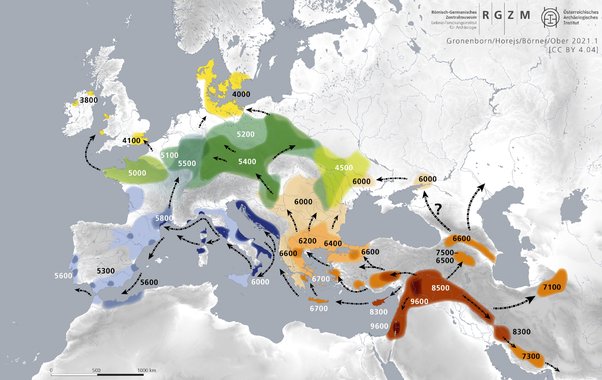
The idea that prehistoric populations gradually spread from Asia Minor into Britain over millennia forms the backbone of a major misunderstanding of prehistory. This assumption has shaped much of modern archaeology and historical interpretation, creating a framework that is difficult to challenge because so much depends on it. As a result, alternative interpretations struggle to gain traction, not necessarily because they are wrong, but because they disrupt an entrenched model.
Old Dated Concepts
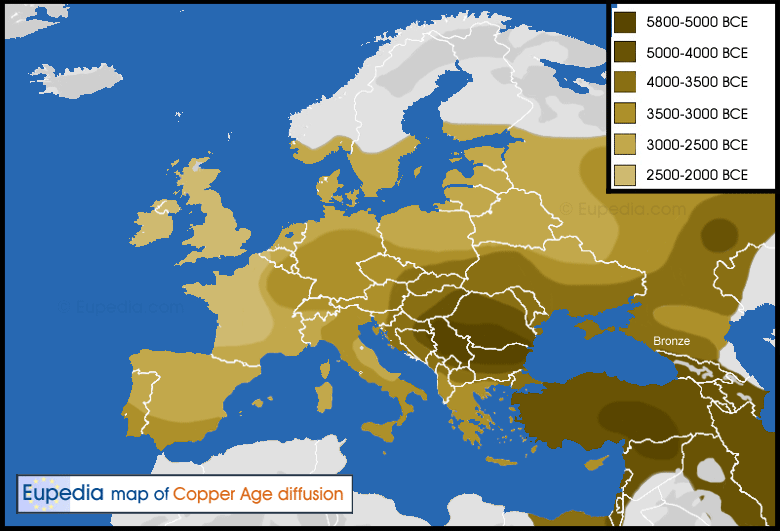
A significant problem arises when this simplified framework is treated as fact. It becomes embedded in education and public understanding, limiting how new evidence is interpreted. Instead of encouraging fresh thinking, it often forces discoveries to fit within an existing narrative. This restricts progress and prevents a more accurate reconstruction of the past.
Current thinking frequently suggests that key developments such as farming and metallurgy originated in Asia Minor and spread gradually through migrating populations. The assumption is that knowledge moved only as people physically relocated, passing ideas from one group to another over long periods. What this view ignores is the possibility that communication and exchange could occur without mass migration. Even basic technology would have enabled interaction at a distance, allowing ideas to travel far more quickly than people.
Many researchers remain influenced by this traditional model, and this affects how evidence is interpreted. When findings do not align with expectations, they are often dismissed as anomalies rather than investigated further. This creates a filtering effect, where only evidence that supports the established narrative is accepted, while contradictory data is sidelined.
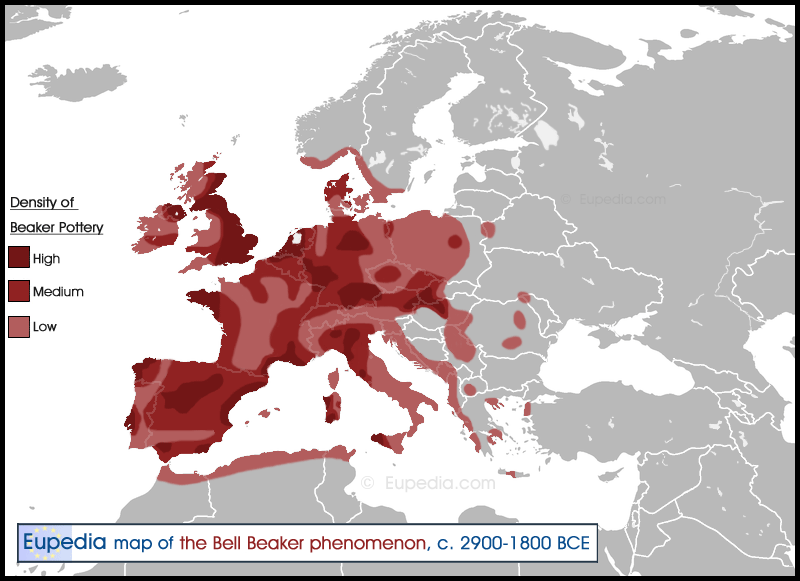
This issue becomes particularly clear when examining the so-called Beaker culture. The standard account describes a group of people spreading across Europe in search of metals, moving from region to region and carrying their distinctive pottery and technologies with them. They are often portrayed as a mobile, expansionist population responsible for the rapid spread of bronze working.
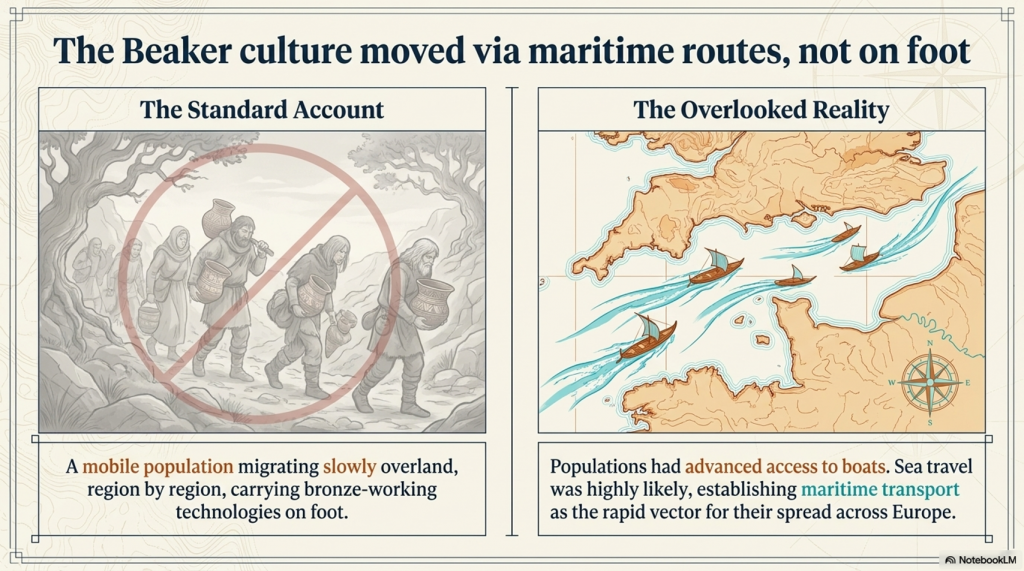
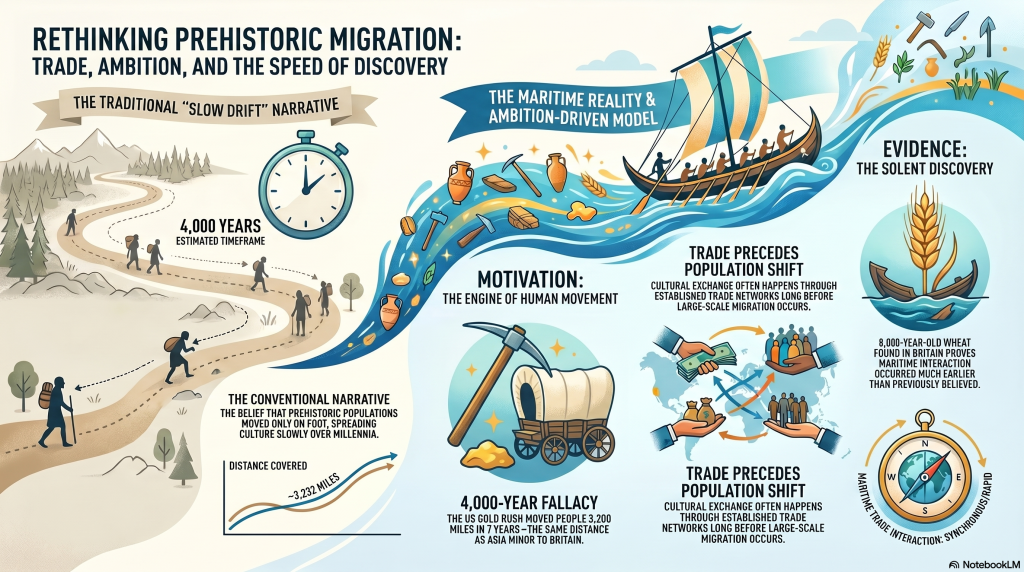
However, this explanation overlooks a key factor. These populations had access to boats. The idea that movement into Britain occurred primarily on foot ignores the obvious reality that sea travel was both possible and likely. If maritime transport existed, then trade networks could have been established long before any large-scale population movement. In this context, the movement of goods and ideas would precede the movement of people, not follow it.
A more realistic model would place trade at the centre of cultural exchange. Communities could interact, share knowledge, and acquire materials without relocating entirely. Migration, when it occurred, may have been a secondary effect of established trading relationships rather than the primary driver of cultural change.
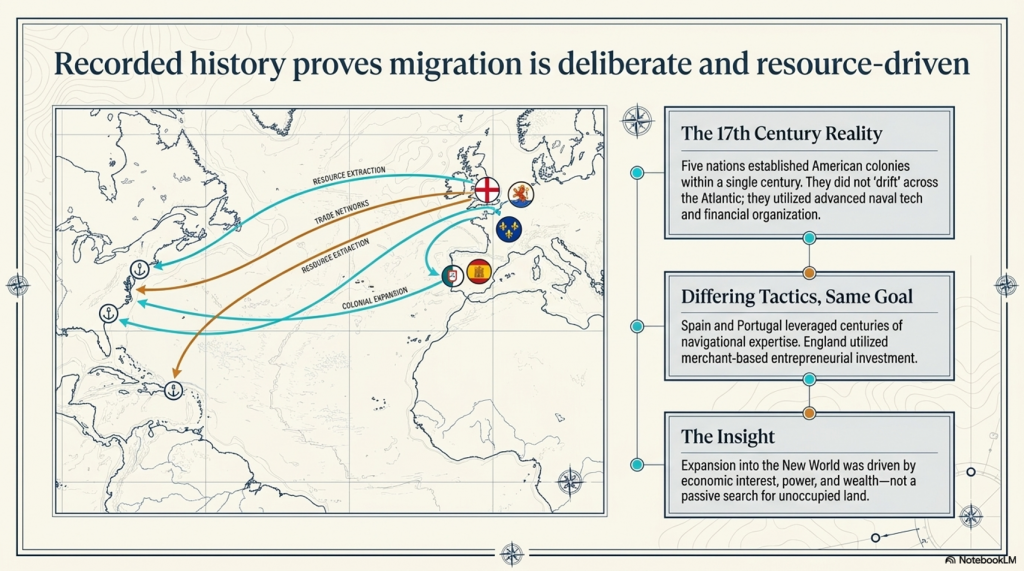
A useful comparison can be found in more recent history. The colonisation of the Americas demonstrates how movement actually occurs when supported by technology and motivation. European powers did not slowly drift across the Atlantic. They used ships, resources, and organisation to rapidly establish new settlements. Within a relatively short period, multiple nations had established colonies, driven by economic ambition rather than simple expansion.
This example highlights an important point. Migration is rarely driven by necessity alone. It is driven by opportunity. People move when there is something to gain, whether that is land, wealth, or strategic advantage. The process requires planning, resources, and intent. It is not a passive or accidental drift across landscapes.
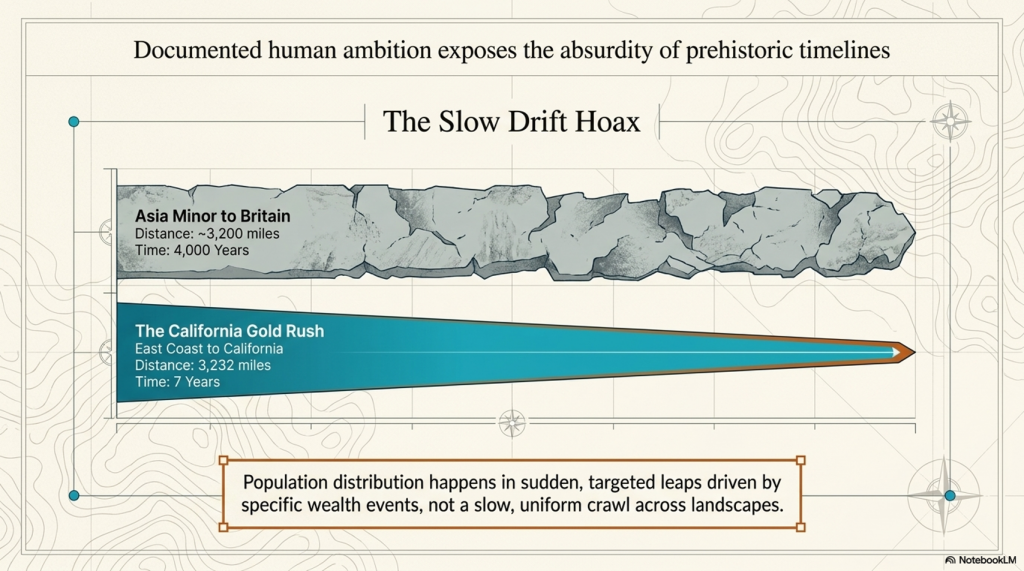
When populations expanded across North America, the movement was not gradual in the sense often imagined for prehistory. Instead, it occurred in distinct phases, often triggered by specific events. The California Gold Rush, for example, caused a rapid shift in population over vast distances in a matter of years. This demonstrates that large-scale movement can happen quickly when conditions are right.
Applying this understanding to prehistory challenges the idea of slow, continuous migration over thousands of years. If similar motivations existed in the past, then movement could have been far more dynamic and episodic than currently assumed. This raises questions about whether the traditional timeline accurately reflects reality.
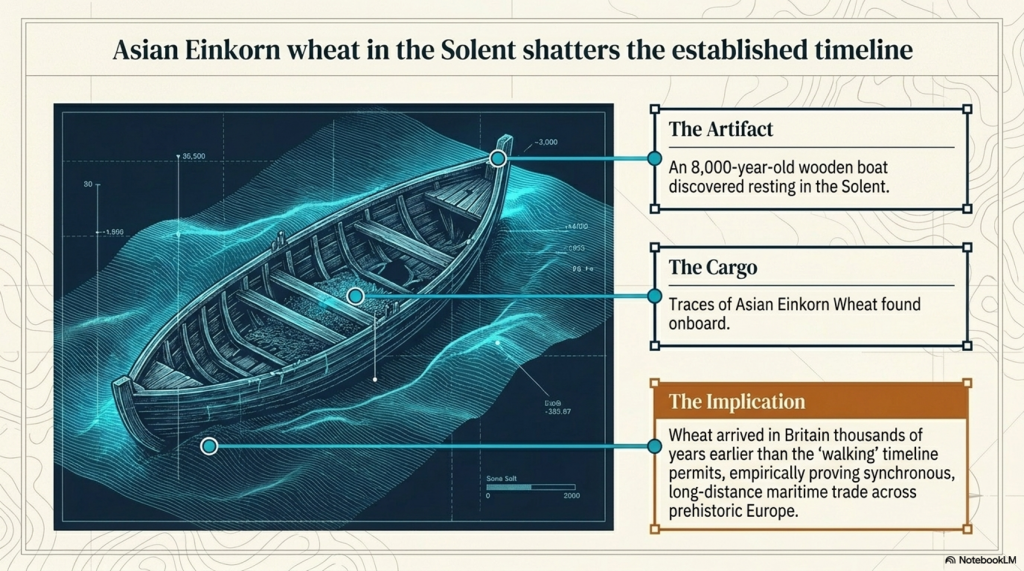
Archaeological discoveries continue to add to this uncertainty. Evidence such as early boat finds and unexpected materials suggests that long-distance interaction occurred much earlier than previously believed. These findings indicate that prehistoric societies were capable of movement and communication on a scale that challenges conventional models.
Taken together, the evidence points towards a more complex picture. Human movement was not simply a gradual spread of populations across land. It was influenced by trade, technology, environment, and ambition. Ideas and materials could travel independently of people, and when people did move, they did so for specific reasons rather than as part of a slow and inevitable process.
Understanding migration in this way removes the limitations imposed by outdated assumptions. It allows for a more flexible and realistic interpretation of the past, one that recognises the capabilities of prehistoric societies rather than underestimating them.
New World Migration Patterns
Indeed, the historical model of the European colonisation of America in the 17th century serves as a compelling and often overlooked example that challenges the dated perspectives on migration. This empirical evidence, rooted in written history, sheds light on the dynamics of movement and colonisation, showcasing the pivotal role of boats (or, in the case of America, carts) in facilitating such endeavours.
As highlighted by historical records, early colonists from European kingdoms with well-developed military, naval, governmental, and entrepreneurial capabilities embarked on colonising the New World. The Spanish and Portuguese, drawing on centuries of experience in conquest and colonisation, leveraged their expertise gained during the Reconquista and navigational skills for oceanic voyages. The English, French, and Dutch, while capable of building ocean-worthy ships, lacked the extensive histories of colonisation exhibited by Portugal and Spain. Nevertheless, English entrepreneurs established colonies with a foundation of merchant-based investment that required less government support.
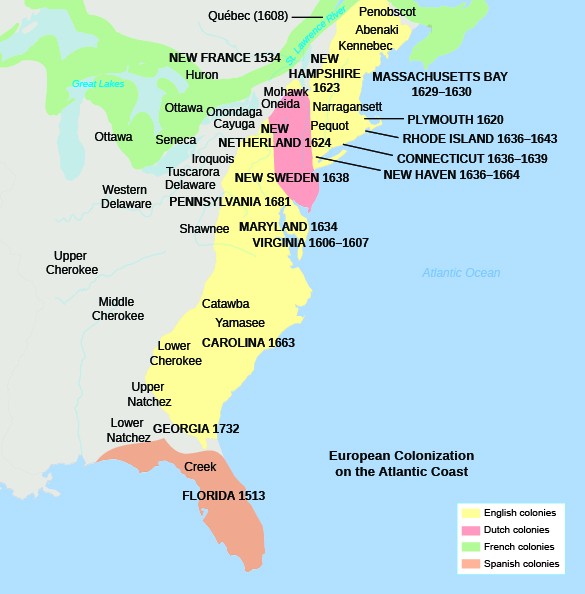
This historical example underscores a critical point often overlooked in the study of migration — the motivations behind people’s movement. In this context, the colonisation of the New World was primarily driven by economic interests, power, and the pursuit of wealth. Failure to recognise these underlying motives represents an anthropological flaw in our historical narratives, which often simplify migration as a mere expansion into new territories. Understanding that migration involves significant time, effort, and resources challenges the notion that people move solely to find new lands to occupy. The fact that the population was relatively small at the time suggests that land occupation was more of a choice than a necessity, further emphasising the complex motivations behind human migration.
American Colonies
The spread of American colonies from just the East Coast to the West shows the motivation factor behind migration coast-to-coast. Here are some key reasons:
Land Availability: As European settlers arrived on the East Coast, they quickly realised that the region had limited arable land and was becoming crowded. The allure of available land in the western territories motivated people to move westward in search of better opportunities.
Economic Opportunities: The promise of fertile land for farming and the discovery of valuable resources, such as gold and silver, attracted many individuals and families to move west. The prospect of acquiring land for farming and starting anew was a powerful motivator.
Technological Advances: Improvements in transportation, such as the development of canals, roads, and later the railroad, made it easier for people to travel and settle in the western territories. These advancements reduced the challenges associated with long-distance migration.
Government Incentives: The U.S. government actively encouraged westward expansion through policies such as the Homestead Act of 1862, which provided 160 acres of public land to settlers for a small fee, provided they improved the land by building a dwelling and cultivating crops. This attracted many settlers to the frontier.
Escape from Economic Hardship: Some individuals moved west in the hope of escaping economic hardships or seeking a fresh start. This was particularly true during times of economic downturns or regional crises on the East Coast.
As I explore historical narratives, the distribution of populations across America emerges as a series of sudden leaps rather than a gradual process. Take, for instance, the bold leap made by the East Coast New England colonies during the California Gold Rush. Over just seven years, there was an astonishing migration of 3,232 miles—a journey equivalent to the distance from Asia Minor to Britain, a span traditionally believed to have taken four thousand years.
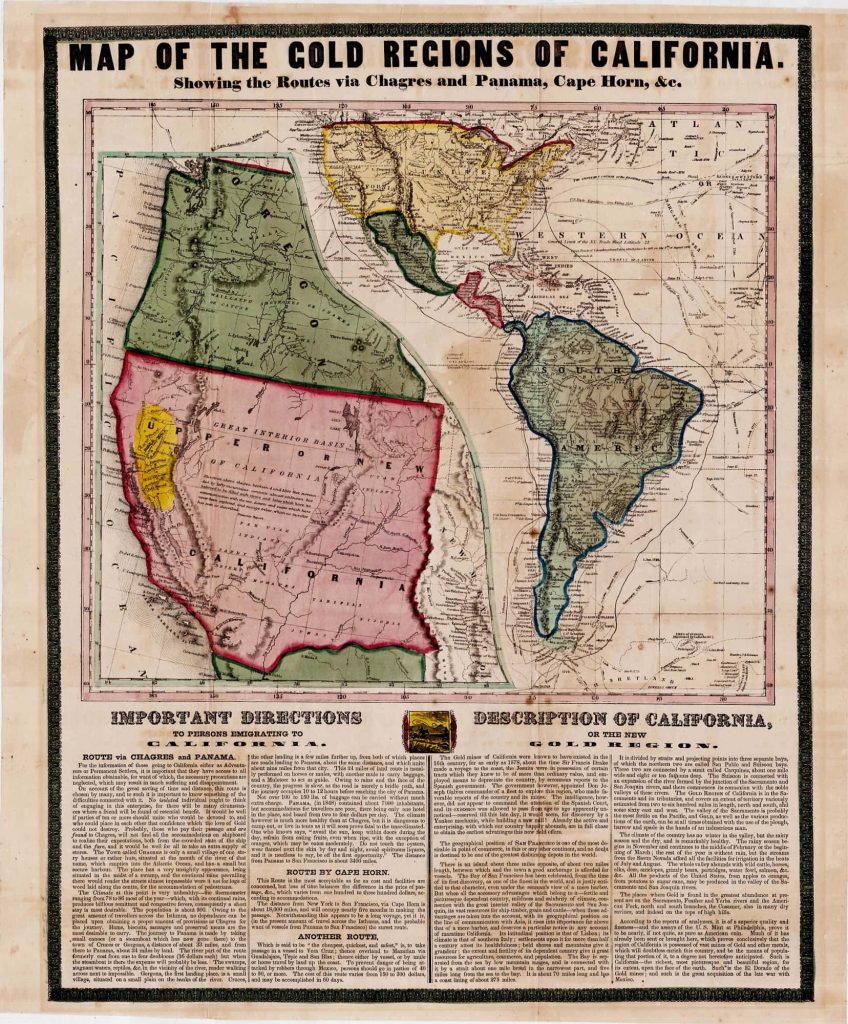
This leap of faith was driven by reports of gold in California, sparking a massive upheaval as individuals sought to capitalise on the potential wealth. The allure of prosperity motivated people to traverse the continent’s vast expanse, reflecting how specific events and opportunities could swiftly reshape population distribution.
Asian Wheat in the Solent
This intriguing phenomenon prompts me to reevaluate traditional timelines in light of recent archaeological discoveries. For example, the presence of an 8,000-year-old boat in the Solent carrying wheat challenges established notions. Wheat, believed to have been introduced to Britain much later, now questions the pace of historical movements and interactions. It’s a reminder that our understanding of history is dynamic, subject to revision as new evidence emerges, and that the narrative of human migration is filled with unexpected leaps and transformative moments.
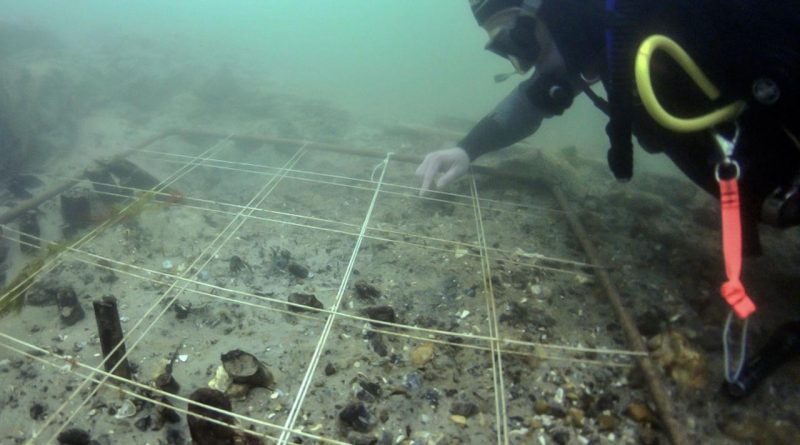
As someone who has delved into the pages of history, it’s clear that the driving force behind human movement has consistently been the pursuit of prosperity. This very motivation underscores the crucial role that trading played in prehistoric times. Individuals displayed a willingness to traverse great distances in search of the abundant rewards that relocating, whether to America or prehistoric Britain, could offer. Contrary to some contemporary perceptions, the gradual dissemination of cultures and technology wasn’t as linear as we might currently believe.
In reflecting on the past, it becomes evident that the motivation to seek better economic opportunities was a shared aspect of the human experience. The narrative of the slow, methodical spread of cultures and technology was not a conscious effort but rather a consequence of our collective pursuit of better circumstances. The archaeological evidence available today strongly supports the notion that the exchange of ideas and the trade of materials occurred in tandem, almost synchronously, across the landscapes of Europe. It’s through this lens of trading ideology that we can better understand the interconnected and dynamic nature of our historical journey.
PODCAST

Author’s Biography
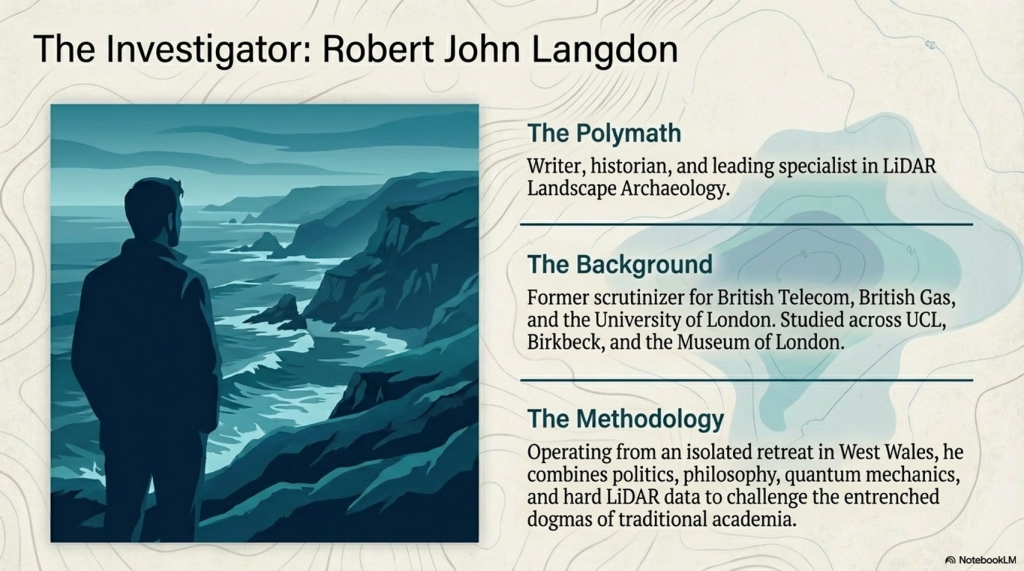
Robert John Langdon, a polymathic luminary, emerges as a writer, historian, and eminent specialist in LiDAR Landscape Archaeology.
His intellectual voyage has been interwoven with stints as an astute scrutineer in government and grand corporate bastions, a tapestry spanning British Telecommunications, Cable and Wireless, British Gas, and the esteemed University of London.
A decade hence, Robert’s transition into retirement unfurled a chapter of insatiable curiosity. This phase saw him immerse himself in Politics, Archaeology, Philosophy, and the enigmatic realm of Quantum Mechanics. His academic odyssey traversed the venerable corridors of knowledge hubs such as the Museum of London, University College London, Birkbeck College, The City Literature Institute, and Chichester University.
In the symphony of his life, Robert is a custodian of three progeny and a pair of cherished grandchildren. His sanctuary lies ensconced in the embrace of West Wales, where he inhabits an isolated cottage, its windows framing a vista of the boundless sea – a retreat from the scrutinising gaze of Her Majesty’s Revenue and Customs, an amiable clandestinity in the lap of nature.
Exploring Prehistoric Britain: A Journey Through Time
My blog delves into the fascinating mysteries of prehistoric Britain, challenging conventional narratives and offering fresh perspectives grounded in cutting-edge research, particularly LiDAR technology. I invite you to explore some key areas of my research. For example, the Wansdyke, often cited as a defensive structure, is re-examined in light of new evidence. I’ve presented my findings in my blog post Wansdyke: A British Frontier Wall – ‘Debunked’, and a Wansdyke LiDAR Flyover video further visualises my conclusions.
My work also often challenges established archaeological dogma. I argue that many sites, such as Hambledon Hill, commonly identified as Iron Age hillforts, are not what they seem. My posts Lidar Investigation Hambledon Hill – NOT an ‘Iron Age Fort’ and Unmasking the “Iron Age Hillfort” Myth explore these ideas in detail and offer an alternative view. Similarly, sites like Cissbury Ring and White Sheet Camp receive re-evaluations based on LiDAR analysis in my posts “Lidar Investigation Cissbury Ring through time” and “Lidar Investigation White Sheet Camp,“ revealing fascinating insights into their true purpose. I have also examined South Cadbury Castle, often linked to the mythical Camelot56.
My research also extends to ancient water management, including the role of canals and other linear earthworks. I have discussed the true origins of Car Dyke in multiple posts, including Car Dyke – ABC News Podcast and Lidar Investigation Car Dyke – North Section, which suggest a Mesolithic origin 2357. I also explore the misidentification of Roman aqueducts, as seen in my posts on the Great Chesters (Roman) Aqueduct. My research has also been greatly informed by my post-glacial flooding hypothesis, which has helped explain landscape transformations over time. I have discussed this hypothesis in several posts, including AI now supports my Post-Glacial Flooding Hypothesis and Exploring Britain’s Flooded Past: A Personal Journey
Finally, my blog also investigates prehistoric burial practices, as seen in Prehistoric Burial Practices of Britain and explores the mystery of Pillow Mounds, often mistaken for medieval rabbit warrens, but with a potential link to Bronze Age cremation in my posts: Pillow Mounds: A Bronze Age Legacy of Cremation? and The Mystery of Pillow Mounds: Are They Really Medieval Rabbit Warrens?. My research also includes astronomical insights into ancient sites, for example, in Rediscovering the Winter Solstice: The Original Winter Festival. I also review new information about the construction of Stonehenge in The Stonehenge Enigma.
Further Reading
For those interested in British Prehistory, visit www.prehistoric-britain.co.uk, a comprehensive resource featuring an extensive collection of archaeology articles, modern LiDAR investigations, and groundbreaking research. The site also includes insights and excerpts from the acclaimed Robert John Langdon Trilogy, a series of books that explore Britain during the Prehistoric period. Titles in the trilogy include The Stonehenge Enigma, Dawn of the Lost Civilisation, and The Post-Glacial Flooding Hypothesis, which offer compelling evidence of ancient landscapes shaped by post-glacial flooding.
To further explore these topics, Robert John Langdon has developed a dedicated YouTube channel featuring over 100 video documentaries and investigations that complement the trilogy. Notable discoveries and studies showcased on the channel include 13 Things that Don’t Make Sense in History and the revelation of Silbury Avenue – The Lost Stone Avenue, a rediscovered prehistoric feature at Avebury, Wiltshire.
In addition to his main works, Langdon has released a series of shorter, accessible publications, ideal for readers delving into specific topics. These include:
- The Ancient Mariners
- Stonehenge Built 8300 BCE
- Old Sarum
- Prehistoric Rivers
- Dykes, Ditches, and Earthworks
- Echoes of Atlantis
- Homo Superior
- 13 Things that Don’t Make Sense in History
- Silbury Avenue – The Lost Stone Avenue
- Offa’s Dyke
- The Stonehenge Enigma
- The Post-Glacial Flooding Hypothesis
- The Stonehenge Hoax
- Dawn of the Lost Civilisation
- Darwin’s Children
- Great Chester’s Roman Aqueduct
- Wansdyke
For active discussions and updates on the trilogy’s findings and recent LiDAR investigations, join our vibrant community on Facebook. Engage with like-minded enthusiasts by leaving a message or contributing to debates in our Facebook Group.
Whether through the books, the website, or interactive videos, we aim to provide a deeper understanding of Britain’s fascinating prehistoric past. We encourage you to explore these resources and uncover the mysteries of ancient landscapes through the lens of modern archaeology.
For more information, including chapter extracts and related publications, visit the Robert John Langdon Author Page. Dive into works such as The Stonehenge Enigma or Dawn of the Lost Civilisation, and explore cutting-edge theories that challenge traditional historical narratives.
Other Blogs
1
a
- AI now Supports – Homo Superior
- AI now supports my Post-Glacial Flooding Hypothesis
- Alexander the Great sailed into India – where no rivers exist today
- Ancient Secrets of Althorp – debunked
- Antler Picks built Ancient Monuments – yet there is no real evidence
- Antonine Wall – Prehistoric Canals (Dykes)
- Archaeological ‘pulp fiction’ – has archaeology turned from science?
- Archaeological Pseudoscience
- Archaeology in the Post-Truth Era
- Archaeology: A Bad Science?
- Archaeology: A Harbour for Fantasists?
- Archaeology: Fact or Fiction?
- Archaeology: The Flaws of Peer Review
- Archaeology’s Bayesian Mistake: Stop Averaging the Past
- Are Raised Beaches Archaeological Pseudoscience?
- Atlantis Found: The Mathematical Proof That Plato’s Lost City Was Doggerland
- ATLANTIS: Discovery with Dan Snow Debunked
- Avebury Ditch – Avebury Phase 2
- Avebury through time
- Avebury’s great mystery revealed
- Avebury’s Lost Stone Avenue – FREE Flipbook
b
- Battlesbury Hill – Wiltshire
- Beyond Stone and Bone: Rethinking the Megalithic Architects of Northern Europe
- BGS Prehistoric River Map
- Blackhenge: Debunking the Media misinterpretation of the Stonehenge Builders
- Brain capacity (Cro-Magnon Man)
- Britain’s First Road – Stonehenge Avenue
- Britain’s Giant Prehistoric Waterways
- British Roman Ports miles away from the coast
c
- Caerfai Promontory Fort – Archaeological Nonsense
- Car Dyke – ABC News PodCast
- Car Dyke – North Section
- Car Dyke Atlas – Prehistoric Canals – FREE Flipbook
- CASE STUDY – An Inconvenient TRUTH (Craig Rhos Y Felin)
- Case Study – River Avon
- Case Study – Woodhenge Reconstruction
- Chapter 2 – Craig Rhos-Y-Felin Debunked
- Chapter 2 – Stonehenge Phase I
- Chapter 2 – Variation of the Species
- Chapter 3 – Post Glacial Sea Levels
- Chapter 3 – Stonehenge Phase II
- Chapter 7 – Britain’s Post-Glacial Flooding
- Cissbury Ring through time
- Clement Reid, Doggerland, and the Archaeological Establishment
- Cro-Magnon Brain Capacity
- Cro-Magnon Megalithic Builders: Measurement, Biology, and the DNA
- Cro-Magnons – An Explainer
d
- Darwin’s Children – Flipbook
- Darwin’s Children – The Cro-Magnons
- Dawn of the Lost Civilisation – FREE Flipbook
- Dawn of the Lost Civilisation – Introduction
- Digging for Britain – Cerne Abbas
- Digging for Britain Debunked – Cerne Abbas 2
- Digging Up Britain’s Past – Debunked
- DLC Chapter 1 – The Ascent of Man
- Durrington Walls – Woodhenge through time
- Durrington Walls Revisited: Platforms, Fish Traps, and a Managed Mesolithic Landscape
- Dyke Construction – Hydrology 101
- Dykes Ditches and Earthworks
- DYKES of Britain
e
f
g
h
- Hadrian’s Wall – Military Way Hoax
- Hadrian’s Wall – the Stanegate Hoax
- Hadrian’s Wall LiDAR investigation
- Hambledon Hill – NOT an ‘Iron Age Fort’
- Hayling Island Lidar Maps
- Hidden Sources of Ancient Dykes: Tracing Underground Groundwater Fractals
- Historic River Avon
- Hollingsbury Camp Brighton – A Hillfort… or a Forgotten Harbour?
- Hollows, Sunken Lanes and Palaeochannels
- Homo Superior – Flipbook
- Homo Superior – History’s Giants
- How Lidar will change Archaeology
- Hydrology 101 Simplified: Why Britain’s Dykes Worked Without Rivers
i
l
m
- Maiden Castle through time
- Mathematics Meets Archaeology: Discovering the Mesolithic Origins of Car Dyke
- Mesolithic River Avon
- Mesolithic Stonehenge
- Minerals found in Prehistoric and Roman Quarries
- Mining in the Prehistoric to Roman Period
- Mount Caburn through time
- Mysteries of the Oldest Boatyard Uncovered
- Mythological Dragons – a non-existent animal that is shared by the World.
o
- Offa’s Dyke – FREE Flipbook
- Old Sarum Lidar Map
- Old Sarum Through Time…………….
- On Sunken Lands of the North Sea – Lived the World’s Greatest Civilisation.
- OSL Chronicles: Questioning Time in the Geological Tale of the Avon Valley
- Oswestry LiDAR Survey
- Oswestry through time
- Oysters in Archaeology: Nature’s Ancient Water Filters?
p
- Pillow Mounds: A Bronze Age Legacy of Cremation?
- Pinkery Canal
- Plato Was Right: The Archaeological Evidence the Academics Never Expected
- Post Glacial Flooding – Flipbook
- Prehistoric Burial Practices of Britain
- Prehistoric Canals – Wansdyke
- Prehistoric Canals – Wansdyke
- Prehistoric Canals (Dykes) – Great Chesters Aqueduct (The Vallum Pt. 4)
- Prehistoric Canals (Dykes) – Hadrian’s Wall Vallum (pt 1)
- Prehistoric Canals (Dykes) – Offa’s Dyke (Chepstow)
- Prehistoric Canals (Dykes) – Offa’s Dyke (LiDAR Survey)
- Prehistoric Canals (Dykes) – Offa’s Dyke Survey (End of Section A)
- Prehistoric Canals (Dykes) – Wansdyke (4)
- Prehistoric Canals Wansdyke 2
- Professor Bonkers and the mad, mad World of Archaeology
r
- Real-World Confirmation of Post-Glacial Flooding
- Rebirth in Stone: Decrypting the Winter Solstice Legacy of Stonehenge
- Rediscovering the Winter Solstice: The Original Winter Festival
- Rethinking Ancient Boundaries: The Vallum and Offa’s Dyke”
- Rethinking Ogham: Could Ireland’s Oldest Script Have Begun as a Tally System?
- Rethinking The Past: Mathematical Proof of Langdon’s Post-Glacial Flooding Hypothesis
- Rising Evidence, Falling Rivers: The Real Story of Europe’s First Farmers
- Rivers of the Past Were Higher: A Fresh Perspective on Prehistoric Hydrology
s
- Sea Level Changes
- Section A – NY26SW
- Section B – NY25NE & NY26SE
- Section C – NY35NW
- Section D – NY35NE
- Section E – NY46SW & NY45NW
- Section F – NY46SE & NY45NE
- Section G – NY56SW
- Section H – NY56NE & NY56SE
- Section I – NY66NW
- Section J – NY66NE
- Section K – NY76NW
- Section L – NY76NE
- Section M – NY87SW & NY86NW
- Section N – NY87SE
- Section O – NY97SW & NY96NW
- Section P – NY96NE
- Section Q – NZ06NW
- Section R – NZ06NE
- Section S – NZ16NW
- Section T – NZ16NE
- Section U – NZ26NW & NZ26SW
- Section V – NZ26NE & NZ26SE
- Silbury Avenue – Avebury’s First Stone Avenue
- Silbury Hill
- Silbury Hill / Sanctuary – Avebury Phase 3
- Sky Maps of Prehistoric Britain
- Somerset Plain – Signs of Post-Glacial Flooding
- South Cadbury Castle – Camelot
- Statonbury Camp near Bath – an example of West Wansdyke
- Stone me – the druids are looking the wrong way on Solstice day
- Stone Transportation and Dumb Censorship
- Stonehenge – Monument to the Dead
- Stonehenge Hoax – Dating the Monument
- Stonehenge Hoax – Round Monument?
- Stonehenge Hoax – Summer Solstice
- Stonehenge LiDAR tour
- Stonehenge Phase 1 – 8300 BCE Documentary
- Stonehenge Phase 1 — Britain’s First Monument
- Stonehenge Phase I (The Stonehenge Landscape)
- Stonehenge Solved – Pythagorean maths put to use 4,000 years before he was born
- Stonehenge Through Time
- Stonehenge, Doggerland and Atlantis connection
- Stonehenge: Borehole Evidence of Post-Glacial Flooding
- Stonehenge: Discovery with Dan Snow Debunked
- Stonehenge: The World’s First Computer – FREE Flipbook
- Stonehenge: The Worlds First Computer
- Stonehenge’s The Lost Circle Revealed – DEBUNKED
t
- Ten Reasons Why Car Dyke Blows Britain’s Earthwork Myths Out of the Water
- Ten Things You Didn’t Know About Britain’s Prehistoric Flooded Past
- Ten thousand year old boats found on Northern Europe’s Hillsides
- Ten thousand-year-old boats found on Northern Europe’s Hillsides
- Testing Plato’s Atlantis Against Reality
- The “Hunter-Gatherer” Myth: Why It’s Time to Bury This Outdated Term
- The Ancient Mariners – Flipbook
- The Ancient Mariners – Prehistoric seafarers of the Mesolithic
- The Ascent of Man — From Survival to Systems
- The Beringian Migration Myth: Why the Peopling of the Americas by Foot is Mathematically and Logistically Impossible
- The Bluestone Enigma
- The Bulford Hoax: The “Simpler, Older Stonehenge” That Wasn’t
- The Cheddar Man Hoax
- The Cro-Magnon Cover-Up: How DNA and PR Labels Erased Our Real Ancestry
- The Dolmen and Long Barrow Connection
- The Durrington Mega-Monument Hoax: What Lies Beneath? – Debunked
- The Durrington Walls Hoax – it’s not a henge?
- The Dyke Myth Collapses: Excavation and Dating Prove Britain’s Great Dykes Are Prehistoric Canals
- The First European Smelted Bronzes
- The Fury of the Past: Natural Disasters in Historical and Prehistoric Britain
- The Giant’s Graves of Cumbria
- The Giants of Prehistory: Cro-Magnon and the Ancient Monuments
- The Great Ancient DNA Illusion: How Statistical Models Became Archaeological “Facts”
- The Great Antler Pick Hoax
- The Great Bell Beaker Migration Myth
- The Great Chichester Hoax – A Bridge too far?
- The Great Dorchester Aqueduct Hoax
- The Great Farming Hoax – (Einkorn Wheat)
- The Great Farming Migration Hoax
- The Great Hadrian’s Wall Hoax
- The Great Iron Age Hill Fort Hoax
- The Great Offa’s Dyke Hoax
- The Great Prehistoric Migration Hoax
- The Great Stone Transportation Hoax
- The Great Stonehenge Hoax
- The Great Wansdyke Hoax
- The Henge and River Relationship
- The Logistical Impossibility of Defending Maiden Castle
- The Long Barrow and Dolmen Enigma
- The Long Barrow Mystery
- The Long Barrow Mystery: Unravelling Ancient Connections
- The Lost Island of Avalon – revealed
- The Maiden Way Hoax – A Closer Look at an Ancient Road’s Hidden History
- The Maths – LGM total ice volume
- The Mystery of Pillow Mounds: Are They Really Medieval Rabbit Warrens?
- THE ODYSSEY PROBLEM: WHY DID A WEEK-LONG VOYAGE BECOME A TEN-YEAR EPIC?
- The Old Sarum Hoax
- The Oldest Boat Yard in the World found in Wales
- The Perils of Paradigm Shifts: Why Unconventional Hypotheses Get Branded as Pseudoscience
- The Post-Glacial Flooding Hypothesis – 1/11
- The Post-Glacial Flooding Hypothesis – FREE Flipbook
- The Post-Glacial Flooding Theory
- The Problem with Hadrian’s Vallum
- The Rise of the Cro-Magnon (Homo Superior)
- The Roman Military Way Hoax
- The Silbury Hill Lighthouse?
- The Stone Money – Credit System
- The Stonehenge Avenue
- The Stonehenge Avenue
- The Stonehenge Code: Unveiling its 10,000-Year-Old Secret
- The Stonehenge Crescent: A Monument to a Lost World
- The Stonehenge Enigma – FREE Flipbook
- The Stonehenge Enigma: Part 1/6
- The Stonehenge Hoax – Bluestone Quarry Site
- The Stonehenge Hoax – FREE Flipbook
- The Stonehenge Hoax – FREE Flipbook
- The Stonehenge Hoax – Moving the Bluestones
- The Stonehenge Hoax – Periglacial Stripes
- The Stonehenge Hoax – Station Stones
- The Stonehenge Hoax – Stonehenge’s Location
- The Stonehenge Hoax – The Ditch
- The Stonehenge Hoax – The Slaughter Stone
- The Stonehenge Hoax – The Stonehenge Layer
- The Stonehenge Hoax – Totem Poles
- The Stonehenge Hoax – Woodhenge
- The Stonehenge Hospital
- The Stonehenge Transportation Mystery
- The Subtropical Britain Hoax
- The Troy, Hyperborea and Atlantis Connection
- The Vallum @ Hadrian’s Wall – it’s Prehistoric!
- The Vallum at Hadrian’s Wall Atlas – FREE Flipbook
- The Woodhenge Hoax
- Three Dykes – Kidland Forest
- Thurnam’s 137 Skulls: The Forgotten People Behind Britain’s Megaliths.
- Top Ten Misidentified Fire Beacons in British History
- Troy Debunked – Troy did not exist in Asia Minor, but in fact, the North Sea island of Doggerland
- TSE – DVD Barrows
- TSE DVD – An Inconvenient Truth
- TSE DVD – Antler Picks
- TSE DVD – Avebury
- TSE DVD – Durrington Walls & Woodhenge
- TSE DVD – Dykes
- TSE DVD – Epilogue
- TSE DVD – Stonehenge Phase I
- TSE DVD – Stonehenge Phase II
- TSE DVD – The Post-Glacial Hypothesis
- TSE DVD Introduction
- TSE DVD Old Sarum
- Twigs, Charcoal, and the Death of the Saxon Dyke Myth
w
- Wansdyke – Short Film
- Wansdyke Atlas – FREE Flipbook
- Wansdyke East – Prehistoric Canals
- Wansdyke LiDAR Flyover
- Wansdyke: A British Frontier Wall – ‘Debunked’
- Was Columbus the first European to reach America?
- What Archaeology Missed Beneath Stonehenge
- White Sheet Camp
- Why a Simple Fence Beats a Massive Dyke (and What That Means for History)
- Windmill Hill – Avebury Phase 1
- Winter Solstice – Science, Propaganda and Indoctrination
- Woodhenge – the World’s First Lighthouse?


