Introduction
Pillow mounds have traditionally been interpreted as medieval rabbit warrens, but recent archaeological discoveries suggest a far older and more significant role tied to Bronze Age cremation rituals. Evidence uncovered in recent excavations, combined with historical parallels from other sites, points to these mounds being used for cremation or as places for the burial of ashes, later repurposed during the medieval period for rabbit farming. Below, we explore the evidence from recent excavation reports that supports this hypothesis, showing how discolored soil, charcoal remains, and burial practices align with Bronze Age funerary rituals.
Excavation Reports Supporting the Cremation Hypothesis
1. Linga Fiold, Orkney (Bronze Age Cremation Evidence)
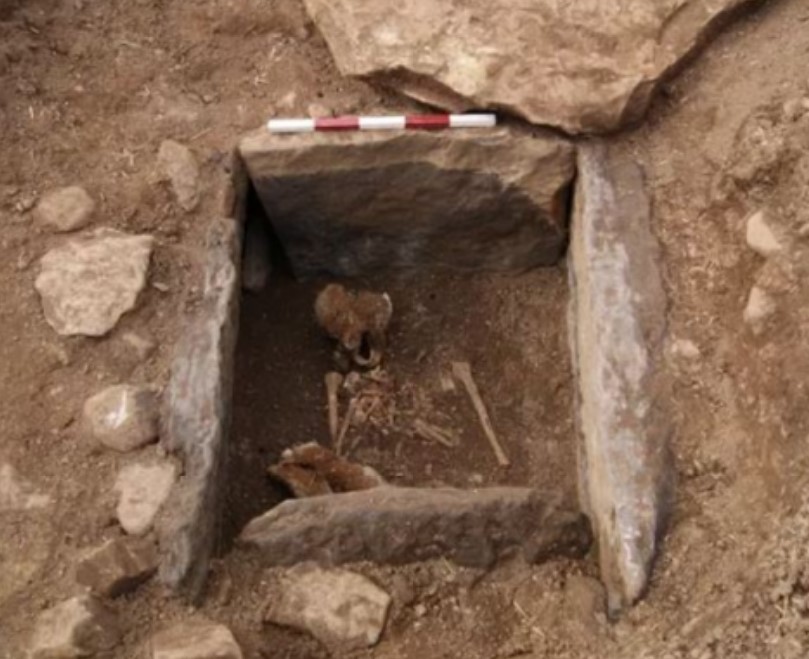
Excavations at Linga Fiold on Orkney provide a compelling comparison to the pillow mounds found at Dartmoor. At Linga Fiold, archaeologists uncovered cremation pyres beneath mounds, with clear evidence of burnt earth and charcoal, alongside cremated human remains. These pyres were constructed directly on the ground with minimal superstructures, similar to the earthworks observed in Dartmoor’s pillow mounds.
The soil beneath the mounds at Linga Fiold showed clear signs of discoloration, indicating that it had been exposed to high temperatures from intense fires. Charcoal deposits and ash layers found in the soil provide direct evidence of burning. These features closely resemble those found in some pillow mounds on Dartmoor, where discolored soils and charcoal layers have been interpreted as remnants of funeral pyres.
In the Linga Fiold excavation, the mound structure and the associated cremated remains suggest a ritualistic function tied to Bronze Age funerary practices, supporting the idea that these mounds were not just for rabbit warrens, but rather cremation sites. The discolored soil and layers of burnt material found at Dartmoor reflect this same ritual use of fire, hinting at a broader cultural practice.
2. Trowlesworthy Warren, Dartmoor (Burnt Layers and Soil Discoloration)

The Trowlesworthy Warren site on Dartmoor is home to over 64 pillow mounds. Excavations of these mounds have revealed significant evidence of soil discoloration, similar to what has been found at recognized Bronze Age burial sites. The soil under some of these mounds has distinct layers of charcoal and burnt earth, suggestive of cremation pyres.
During the excavation of one mound, archaeologists discovered a layer of charcoal that radiocarbon dating placed in the Bronze Age, well before the introduction of rabbits to Britain. The charcoal remains were associated with human activity, indicating that fires had been deliberately set. The burnt soil beneath the mound is consistent with the intense heat required for cremation. The placement of these mounds near paleochannels further supports the theory of ritualistic use, as water often played a key role in Bronze Age funerary rites.
3. Bryn Cysegrfan, Wales (Evidence of Cremation Under Mounds)
At Bryn Cysegrfan in Wales, excavations revealed mounds that were initially thought to be medieval earthworks but were later confirmed to be prehistoric. These mounds contained burnt soil, layers of charcoal, and evidence of human cremation. The discovery of cremated human bones beneath the mounds helped redefine their purpose as Bronze Age funerary structures, challenging their original classification as medieval agricultural features.

The burnt material in these mounds mirrored the findings at Dartmoor, where charcoal and burnt soil were found in layers under the mounds. At Bryn Cysegrfan, the cremated remains were intentionally buried beneath a memorial mound, built in much the same way as pillow mounds. This reinforces the idea that the Dartmoor pillow mounds could have similarly been constructed as memorials to cremated individuals.

4. Bronze Age Orkney (Burnt Soils and Ritual Use of Fire)
Further support for the cremation hypothesis comes from Bronze Age sites in Orkney, where archaeologists have found extensive use of fire in burial practices. Excavations at Mousa Broch revealed cremation sites beneath mounds, where the soil had been heavily discolored by intense heat. Layers of charcoal and burnt earth are common across these sites, suggesting a widespread ritual use of fire in burial practices.
The charcoal layers and burnt soil found at Trowlesworthy Warren bear a striking resemblance to the cremation pyres of Orkney. The burning of bodies and subsequent burial of ashes within or beneath the mounds are consistent with the Bronze Age tradition of constructing mounds as funerary memorials.
5. Radiocarbon Dating Evidence of Bronze Age Activity
At several of these sites, including Trowlesworthy and Bryn Cysegrfan, radiocarbon dating has provided clear evidence that the burnt material and soil discoloration found beneath the mounds dates back to the Bronze Age. This further suggests that these structures were originally built as funerary mounds or cremation sites, long before they were repurposed as rabbit warrens in the medieval period.
The layers of burnt material and charcoal deposits found beneath some of the Dartmoor mounds have been dated to 2000-1500 BCE, well within the Bronze Age. These findings, alongside the discolored soils, indicate that the mounds were used for funerary practices long before their presumed medieval use.
Comparing to the Pillow Mounds

The evidence from Bryn Cysegrfan, Orkney, and other Bronze Age cremation sites shows a clear pattern of burnt soil, charcoal remains, and cremated bones beneath mounds that were later misinterpreted as agricultural features. This is exactly the scenario unfolding with pillow mounds at sites like Trowlesworthy Warren. The combination of burnt layers, discolored soil, and radiocarbon dating suggests that these mounds served as cremation sites or memorial mounds long before their possible repurposing in the medieval period.
The Cultural Significance of Cremation Mounds
In the Bronze Age, cremation was a common funerary practice across Britain. The dead were often burned on funeral pyres, and the ashes were either scattered or buried under mounds. These mounds served as memorials, marking the resting place of the deceased in a highly visible way. The use of fire in these rituals was symbolic, representing the passage of the soul into the afterlife.
The presence of pillow mounds in landscapes associated with prehistoric activity, particularly near paleochannels and other natural features, suggests that they were part of a larger ritual landscape. The burnt material and discolored soil found beneath many of these mounds are consistent with the Bronze Age practice of constructing cremation mounds, rather than the later rabbit farming explanation.
Conclusion: Reinterpreting Pillow Mounds as Bronze Age Cremation Sites
The growing body of archaeological evidence, including excavation reports from sites like Bryn Cysegrfan, Linga Fiold, and Trowlesworthy Warren, increasingly supports the hypothesis that pillow mounds are not merely medieval rabbit warrens but may have originally been used for Bronze Age cremation practices. The presence of burnt soil, charcoal remains, and cremated bones beneath these mounds, combined with radiocarbon dating to the Bronze Age, suggests that these structures served as cremation pyres or burial mounds long before their potential repurposing in later periods.
This reinterpretation not only challenges the traditional understanding of pillow mounds but also opens up new perspectives on the ritual use of fire and burial practices in Bronze Age Britain. Further excavation and study of these mounds could provide even more evidence to support their role as funerary monuments, adding to the rich tapestry of prehistoric ritual landscapes across the British Isles.Pillow mounds have long been identified by archaeologists as rabbit warrens—structures built during the medieval and post-medieval periods to manage rabbit populations for fur and meat. These long, low earthworks, often equipped with drainage ditches, were thought to provide ideal conditions for rabbits to burrow and breed. The case of Trowlesworthy Warren on Dartmoor is a well-known example, where there are now believed to be 64 pillow mounds spread across a 5 km area. However, recent archaeological findings and a closer look at the logistics of large-scale rabbit farming in this landscape challenge the established interpretation.
This blog will explore the traditional reasons archaeologists classify pillow mounds as rabbit warrens while presenting new evidence—including the scale of the site, environmental challenges, and the discovery of radiocarbon-dated materials—that casts doubt on this interpretation.
Previous Blog
1. Traditional Interpretation: Rabbit Warrens
The identification of pillow mounds as rabbit warrens originates from medieval records describing the practice of rabbit farming, introduced to Britain by the Normans after the 11th century. Rabbits were a valuable resource for both their meat and fur, and the creation of controlled environments for breeding—called warrens—became widespread. Pillow mounds, typically rectangular and accompanied by drainage ditches, resemble natural rabbit burrows and were strategically placed in areas unsuitable for crop farming, such as Dartmoor.
At Trowlesworthy Warren, the extensive number of mounds spread across a large area appeared to reflect the large-scale management of rabbit populations, supporting this traditional view.
2. Characteristics of Pillow Mounds

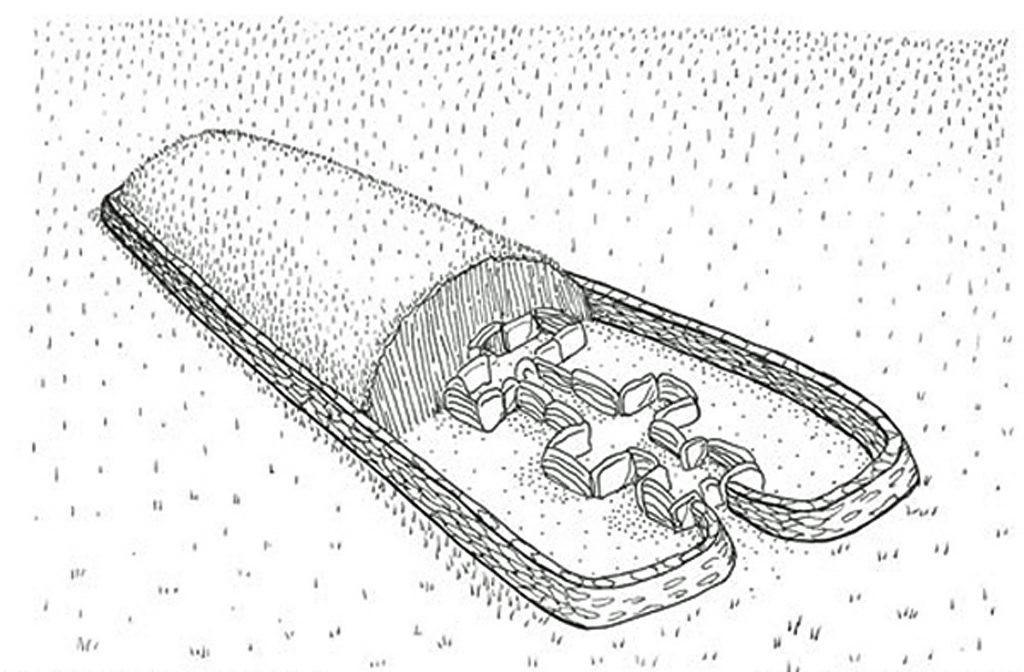
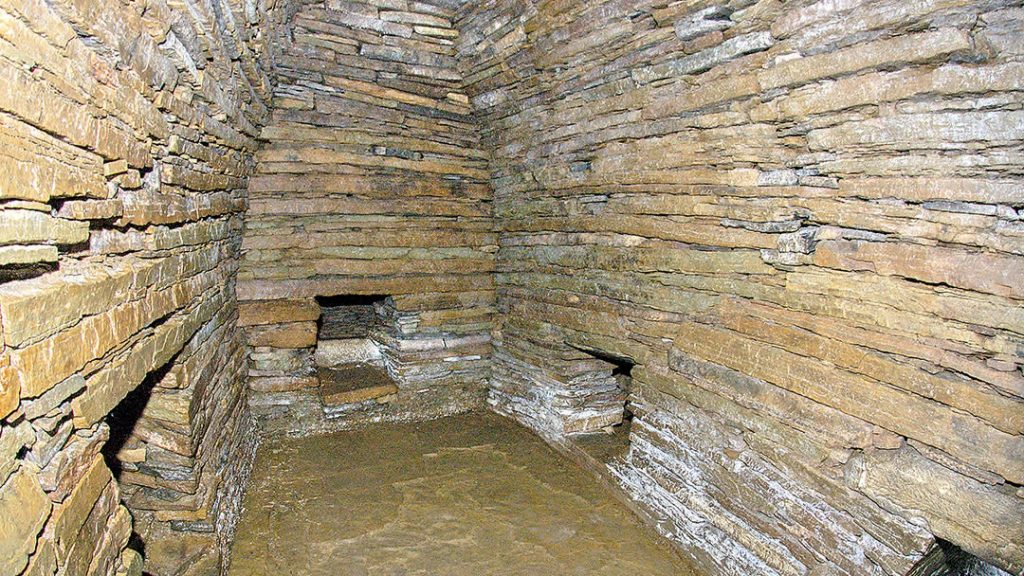
The pillow mounds at Trowlesworthy Warren follow a typical form—long, narrow mounds constructed of earth, often measuring 20 to 50 meters in length and 5 to 10 meters in width. These mounds are often associated with shallow ditches designed to prevent waterlogging, which is essential for rabbits to thrive. Some mounds even feature stone-lined burrows or tunnels, leading archaeologists to interpret them as deliberately constructed habitats to encourage rabbit breeding.
3. Estimating Rabbit Populations Based on Mound Size
Historically, archaeologists estimated that each average-sized mound could support up to 100 rabbits. However, given the presence of larger mounds at Trowlesworthy, some as long as 50 meters and 10 meters wide, this estimate needs adjustment. Larger mounds could potentially support around 400 rabbits each.
Given that Historic England now recognizes 64 pillow mounds at the site, with an average of 400 rabbits per larger mound, the total rabbit population at Trowlesworthy Warren could have been as high as 25,600 rabbits. This indicates a massive scale of rabbit farming, far beyond the scope of a single small operation. Such an immense population would have required a complex system of management, including trapping, breeding control, and predator management.
4. Logistical Challenges of Large-Scale Rabbit Farming
While the estimated capacity of 25,600 rabbits suggests that Trowlesworthy Warren could have been an industrial-scale rabbit farm, several key logistical challenges make this interpretation difficult to support. Chief among these is the lack of infrastructure. Large-scale rabbit farming would have required roads or well-maintained tracks to transport rabbits from the remote Dartmoor landscape to nearby markets or towns. However, there is no visible evidence of roads or transportation infrastructure around the site.
Additionally, a warren of this size would have required a significant labor force, yet there are no substantial remains of warreners’ lodges or other structures to house workers. In smaller warrens, the warrener often lived on-site to manage the rabbits and prevent predators from attacking them, but the sheer size of Trowlesworthy Warren implies that a single person could not have managed such an extensive operation.

5. Environmental Unsuitability for Rabbit Warrens
An even more significant issue is the unsuitability of the landscape for rabbit warrening. Many of the pillow mounds at Trowlesworthy Warren are located near paleochannels—ancient riverbeds that are prone to seasonal flooding. Rabbits require dry conditions for burrowing and breeding, and any prolonged exposure to waterlogged soil would be detrimental to their health. The positioning of many mounds near these paleochannels makes them highly vulnerable to flooding during the wet season, raising serious questions about whether these mounds were truly designed for rabbits.
The drainage ditches around the mounds, often cited as evidence of their use as rabbit warrens, are not connected to nearby streams or natural watercourses, meaning they would likely become waterlogged themselves, further exacerbating the problem.
6. Alternative Interpretation: Ritual or Funerary Landscape
Given the unsuitability of the land for rabbit farming, it is worth considering an alternative interpretation. The location of many pillow mounds near paleochannels suggests that these mounds could have served a ritual or funerary purpose. In prehistoric and early historic Britain, water was often associated with rituals and funerary practices, and waterways were seen as symbolic gateways to the afterlife.
The elongated shape of the pillow mounds could be interpreted as excarnation platforms—places where bodies were laid out to decompose naturally before their bones were collected and buried. The proximity to water in the form of paleochannels could have added a spiritual or ceremonial dimension to these activities. In this context, the pillow mounds may have served as burial markers or cremation platforms.
7. Radiocarbon Dating of Earlier Activity
Recent excavations at Trowlesworthy Warren have uncovered evidence that challenges the medieval rabbit warren theory even further. Beneath one of the pillow mounds, archaeologists discovered a hearth containing charcoal that was radiocarbon dated to the Iron Age—long before the introduction of rabbits to Britain. This finding suggests that the site was in use for other purposes well before the construction of the pillow mounds.
The Iron Age activity at the site may indicate that the pillow mounds were built on top of a much older ritual landscape, possibly repurposing prehistoric structures for medieval uses. This layered history raises the possibility that the mounds were originally constructed for ritual purposes and were later either adapted for rabbit farming or remained purely ceremonial.

8. Misinterpretation of Structural Features
The structural features of the mounds themselves—particularly the drainage ditches—may have been misinterpreted. While these ditches are often cited as evidence that the mounds were designed for rabbit warrening, they may have served other purposes, such as controlling water flow in a ritual landscape. In prehistoric cultures, the management of water was a significant aspect of both ceremonial and agricultural activities, and the presence of drainage ditches does not necessarily indicate medieval rabbit farming.
9. No Direct Evidence of Rabbits
Although pillow mounds are typically associated with rabbit warrening, not all excavated mounds have produced direct evidence of rabbits, such as bones, droppings, or other remains. The absence of such evidence at some of the mounds at Trowlesworthy Warren raises the possibility that not all of the mounds were used for rabbit farming. Some may have had different, possibly ritual or funerary functions, particularly those located near paleochannels.
10. Reconsidering the Scale and Purpose of the Site
While the traditional interpretation of pillow mounds as rabbit warrens remains plausible for many sites, the scale, layout, and environmental challenges of Trowlesworthy Warren suggest a more complex history. The lack of infrastructure, the unsuitability of the landscape for rabbits, and the discovery of Iron Age activity all indicate that these mounds may have been part of a ritual landscape long before the medieval period.
11. Alternative Use: Cremation or Excarnation Sites
The proximity to paleochannels and the radiocarbon dating of pre-medieval activity beneath some mounds point to the possibility that Trowlesworthy Warren was used for cremation or excarnation practices. The mounds could have served as funerary platforms, where bodies were laid out to decompose or be cremated before being deposited in burial sites. The location and shape of the mounds fit this hypothesis, as does their association with ancient watercourses, which often played a significant role in prehistoric ritual practices.
12. Conclusion: A Complex Legacy of Land Use
While pillow mounds are traditionally identified as rabbit warrens, the case of Trowlesworthy Warren demonstrates that these structures likely have a more complex history. The large scale of the site, the lack of infrastructure, and the unsuitability of the land for rabbit farming suggest that the mounds may have originally been constructed for ritual purposes in the prehistoric period, only later being adapted for or interpreted as medieval warrens. As more evidence emerges, including radiocarbon dating and further excavations, the true purpose of these enigmatic structures continues to evolve, offering a glimpse into the multilayered history of Dartmoor’s landscape.
Further Reading
For information about British Prehistory, visit www.prehistoric-britain.co.uk for the most extensive archaeology blogs and investigations collection, including modern LiDAR reports. This site also includes extracts and articles from the Robert John Langdon Trilogy about Britain in the Prehistoric period, including titles such as The Stonehenge Enigma, Dawn of the Lost Civilisation and the ultimate proof of Post Glacial Flooding and the landscape we see today.
Robert John Langdon has also created a YouTube web channel with over 100 investigations and video documentaries to support his classic trilogy (Prehistoric Britain). He has also released a collection of strange coincidences that he calls ‘13 Things that Don’t Make Sense in History’ and his recent discovery of a lost Stone Avenue at Avebury in Wiltshire called ‘Silbury Avenue – the Lost Stone Avenue’.
Langdon has also produced a series of ‘shorts’, which are extracts from his main body of books:
Other Blogs
1
a
- AI now Supports – Homo Superior
- AI now supports my Post-Glacial Flooding Hypothesis
- Alexander the Great sailed into India – where no rivers exist today
- Ancient Secrets of Althorp – debunked
- Antler Picks built Ancient Monuments – yet there is no real evidence
- Antonine Wall – Prehistoric Canals (Dykes)
- Archaeological ‘pulp fiction’ – has archaeology turned from science?
- Archaeological Pseudoscience
- Archaeology in the Post-Truth Era
- Archaeology: A Bad Science?
- Archaeology: A Harbour for Fantasists?
- Archaeology: Fact or Fiction?
- Archaeology: The Flaws of Peer Review
- Archaeology’s Bayesian Mistake: Stop Averaging the Past
- Are Raised Beaches Archaeological Pseudoscience?
- Atlantis Found: The Mathematical Proof That Plato’s Lost City Was Doggerland
- ATLANTIS: Discovery with Dan Snow Debunked
- Avebury Ditch – Avebury Phase 2
- Avebury through time
- Avebury’s great mystery revealed
- Avebury’s Lost Stone Avenue – FREE Flipbook
b
- Battlesbury Hill – Wiltshire
- Beyond Stone and Bone: Rethinking the Megalithic Architects of Northern Europe
- BGS Prehistoric River Map
- Blackhenge: Debunking the Media misinterpretation of the Stonehenge Builders
- Brain capacity (Cro-Magnon Man)
- Britain’s First Road – Stonehenge Avenue
- Britain’s Giant Prehistoric Waterways
- British Roman Ports miles away from the coast
c
- Caerfai Promontory Fort – Archaeological Nonsense
- Car Dyke – ABC News PodCast
- Car Dyke – North Section
- Car Dyke Atlas – Prehistoric Canals – FREE Flipbook
- CASE STUDY – An Inconvenient TRUTH (Craig Rhos Y Felin)
- Case Study – River Avon
- Case Study – Woodhenge Reconstruction
- Chapter 2 – Craig Rhos-Y-Felin Debunked
- Chapter 2 – Stonehenge Phase I
- Chapter 2 – Variation of the Species
- Chapter 3 – Post Glacial Sea Levels
- Chapter 3 – Stonehenge Phase II
- Chapter 7 – Britain’s Post-Glacial Flooding
- Cissbury Ring through time
- Clement Reid, Doggerland, and the Archaeological Establishment
- Cro-Magnon Brain Capacity
- Cro-Magnon Megalithic Builders: Measurement, Biology, and the DNA
- Cro-Magnons – An Explainer
d
- Darwin’s Children – Flipbook
- Darwin’s Children – The Cro-Magnons
- Dawn of the Lost Civilisation – FREE Flipbook
- Dawn of the Lost Civilisation – Introduction
- Digging for Britain – Cerne Abbas
- Digging for Britain Debunked – Cerne Abbas 2
- Digging Up Britain’s Past – Debunked
- DLC Chapter 1 – The Ascent of Man
- Durrington Walls – Woodhenge through time
- Durrington Walls Revisited: Platforms, Fish Traps, and a Managed Mesolithic Landscape
- Dyke Construction – Hydrology 101
- Dykes Ditches and Earthworks
- DYKES of Britain
e
f
g
h
- Hadrian’s Wall – Military Way Hoax
- Hadrian’s Wall – the Stanegate Hoax
- Hadrian’s Wall LiDAR investigation
- Hambledon Hill – NOT an ‘Iron Age Fort’
- Hayling Island Lidar Maps
- Hidden Sources of Ancient Dykes: Tracing Underground Groundwater Fractals
- Historic River Avon
- Hollingsbury Camp Brighton – A Hillfort… or a Forgotten Harbour?
- Hollows, Sunken Lanes and Palaeochannels
- Homo Superior – Flipbook
- Homo Superior – History’s Giants
- How Lidar will change Archaeology
- Hydrology 101 Simplified: Why Britain’s Dykes Worked Without Rivers
i
l
m
- Maiden Castle through time
- Mathematics Meets Archaeology: Discovering the Mesolithic Origins of Car Dyke
- Mesolithic River Avon
- Mesolithic Stonehenge
- Minerals found in Prehistoric and Roman Quarries
- Mining in the Prehistoric to Roman Period
- Mount Caburn through time
- Mysteries of the Oldest Boatyard Uncovered
- Mythological Dragons – a non-existent animal that is shared by the World.
o
- Offa’s Dyke – FREE Flipbook
- Old Sarum Lidar Map
- Old Sarum Through Time…………….
- On Sunken Lands of the North Sea – Lived the World’s Greatest Civilisation.
- OSL Chronicles: Questioning Time in the Geological Tale of the Avon Valley
- Oswestry LiDAR Survey
- Oswestry through time
- Oysters in Archaeology: Nature’s Ancient Water Filters?
p
- Pillow Mounds: A Bronze Age Legacy of Cremation?
- Pinkery Canal
- Plato Was Right: The Archaeological Evidence the Academics Never Expected
- Post Glacial Flooding – Flipbook
- Prehistoric Burial Practices of Britain
- Prehistoric Canals – Wansdyke
- Prehistoric Canals – Wansdyke
- Prehistoric Canals (Dykes) – Great Chesters Aqueduct (The Vallum Pt. 4)
- Prehistoric Canals (Dykes) – Hadrian’s Wall Vallum (pt 1)
- Prehistoric Canals (Dykes) – Offa’s Dyke (Chepstow)
- Prehistoric Canals (Dykes) – Offa’s Dyke (LiDAR Survey)
- Prehistoric Canals (Dykes) – Offa’s Dyke Survey (End of Section A)
- Prehistoric Canals (Dykes) – Wansdyke (4)
- Prehistoric Canals Wansdyke 2
- Professor Bonkers and the mad, mad World of Archaeology
r
- Real-World Confirmation of Post-Glacial Flooding
- Rebirth in Stone: Decrypting the Winter Solstice Legacy of Stonehenge
- Rediscovering the Winter Solstice: The Original Winter Festival
- Rethinking Ancient Boundaries: The Vallum and Offa’s Dyke”
- Rethinking Ogham: Could Ireland’s Oldest Script Have Begun as a Tally System?
- Rethinking The Past: Mathematical Proof of Langdon’s Post-Glacial Flooding Hypothesis
- Rising Evidence, Falling Rivers: The Real Story of Europe’s First Farmers
- Rivers of the Past Were Higher: A Fresh Perspective on Prehistoric Hydrology
s
- Sea Level Changes
- Section A – NY26SW
- Section B – NY25NE & NY26SE
- Section C – NY35NW
- Section D – NY35NE
- Section E – NY46SW & NY45NW
- Section F – NY46SE & NY45NE
- Section G – NY56SW
- Section H – NY56NE & NY56SE
- Section I – NY66NW
- Section J – NY66NE
- Section K – NY76NW
- Section L – NY76NE
- Section M – NY87SW & NY86NW
- Section N – NY87SE
- Section O – NY97SW & NY96NW
- Section P – NY96NE
- Section Q – NZ06NW
- Section R – NZ06NE
- Section S – NZ16NW
- Section T – NZ16NE
- Section U – NZ26NW & NZ26SW
- Section V – NZ26NE & NZ26SE
- Silbury Avenue – Avebury’s First Stone Avenue
- Silbury Hill
- Silbury Hill / Sanctuary – Avebury Phase 3
- Sky Maps of Prehistoric Britain
- Somerset Plain – Signs of Post-Glacial Flooding
- South Cadbury Castle – Camelot
- Statonbury Camp near Bath – an example of West Wansdyke
- Stone me – the druids are looking the wrong way on Solstice day
- Stone Transportation and Dumb Censorship
- Stonehenge – Monument to the Dead
- Stonehenge Hoax – Dating the Monument
- Stonehenge Hoax – Round Monument?
- Stonehenge Hoax – Summer Solstice
- Stonehenge LiDAR tour
- Stonehenge Phase 1 – 8300 BCE Documentary
- Stonehenge Phase 1 — Britain’s First Monument
- Stonehenge Phase I (The Stonehenge Landscape)
- Stonehenge Solved – Pythagorean maths put to use 4,000 years before he was born
- Stonehenge Through Time
- Stonehenge, Doggerland and Atlantis connection
- Stonehenge: Borehole Evidence of Post-Glacial Flooding
- Stonehenge: Discovery with Dan Snow Debunked
- Stonehenge: The World’s First Computer – FREE Flipbook
- Stonehenge: The Worlds First Computer
- Stonehenge’s The Lost Circle Revealed – DEBUNKED
t
- Ten Reasons Why Car Dyke Blows Britain’s Earthwork Myths Out of the Water
- Ten Things You Didn’t Know About Britain’s Prehistoric Flooded Past
- Ten thousand year old boats found on Northern Europe’s Hillsides
- Ten thousand-year-old boats found on Northern Europe’s Hillsides
- Testing Plato’s Atlantis Against Reality
- The “Hunter-Gatherer” Myth: Why It’s Time to Bury This Outdated Term
- The Ancient Mariners – Flipbook
- The Ancient Mariners – Prehistoric seafarers of the Mesolithic
- The Ascent of Man — From Survival to Systems
- The Beringian Migration Myth: Why the Peopling of the Americas by Foot is Mathematically and Logistically Impossible
- The Bluestone Enigma
- The Bulford Hoax: The “Simpler, Older Stonehenge” That Wasn’t
- The Cheddar Man Hoax
- The Cro-Magnon Cover-Up: How DNA and PR Labels Erased Our Real Ancestry
- The Dolmen and Long Barrow Connection
- The Durrington Mega-Monument Hoax: What Lies Beneath? – Debunked
- The Durrington Walls Hoax – it’s not a henge?
- The Dyke Myth Collapses: Excavation and Dating Prove Britain’s Great Dykes Are Prehistoric Canals
- The First European Smelted Bronzes
- The Fury of the Past: Natural Disasters in Historical and Prehistoric Britain
- The Giant’s Graves of Cumbria
- The Giants of Prehistory: Cro-Magnon and the Ancient Monuments
- The Great Ancient DNA Illusion: How Statistical Models Became Archaeological “Facts”
- The Great Antler Pick Hoax
- The Great Bell Beaker Migration Myth
- The Great Chichester Hoax – A Bridge too far?
- The Great Dorchester Aqueduct Hoax
- The Great Farming Hoax – (Einkorn Wheat)
- The Great Farming Migration Hoax
- The Great Hadrian’s Wall Hoax
- The Great Iron Age Hill Fort Hoax
- The Great Offa’s Dyke Hoax
- The Great Prehistoric Migration Hoax
- The Great Stone Transportation Hoax
- The Great Stonehenge Hoax
- The Great Wansdyke Hoax
- The Henge and River Relationship
- The Logistical Impossibility of Defending Maiden Castle
- The Long Barrow and Dolmen Enigma
- The Long Barrow Mystery
- The Long Barrow Mystery: Unravelling Ancient Connections
- The Lost Island of Avalon – revealed
- The Maiden Way Hoax – A Closer Look at an Ancient Road’s Hidden History
- The Maths – LGM total ice volume
- The Mystery of Pillow Mounds: Are They Really Medieval Rabbit Warrens?
- THE ODYSSEY PROBLEM: WHY DID A WEEK-LONG VOYAGE BECOME A TEN-YEAR EPIC?
- The Old Sarum Hoax
- The Oldest Boat Yard in the World found in Wales
- The Perils of Paradigm Shifts: Why Unconventional Hypotheses Get Branded as Pseudoscience
- The Post-Glacial Flooding Hypothesis – 1/11
- The Post-Glacial Flooding Hypothesis – FREE Flipbook
- The Post-Glacial Flooding Theory
- The Problem with Hadrian’s Vallum
- The Rise of the Cro-Magnon (Homo Superior)
- The Roman Military Way Hoax
- The Silbury Hill Lighthouse?
- The Stone Money – Credit System
- The Stonehenge Avenue
- The Stonehenge Avenue
- The Stonehenge Code: Unveiling its 10,000-Year-Old Secret
- The Stonehenge Crescent: A Monument to a Lost World
- The Stonehenge Enigma – FREE Flipbook
- The Stonehenge Enigma: Part 1/6
- The Stonehenge Hoax – Bluestone Quarry Site
- The Stonehenge Hoax – FREE Flipbook
- The Stonehenge Hoax – FREE Flipbook
- The Stonehenge Hoax – Moving the Bluestones
- The Stonehenge Hoax – Periglacial Stripes
- The Stonehenge Hoax – Station Stones
- The Stonehenge Hoax – Stonehenge’s Location
- The Stonehenge Hoax – The Ditch
- The Stonehenge Hoax – The Slaughter Stone
- The Stonehenge Hoax – The Stonehenge Layer
- The Stonehenge Hoax – Totem Poles
- The Stonehenge Hoax – Woodhenge
- The Stonehenge Hospital
- The Stonehenge Transportation Mystery
- The Subtropical Britain Hoax
- The Troy, Hyperborea and Atlantis Connection
- The Vallum @ Hadrian’s Wall – it’s Prehistoric!
- The Vallum at Hadrian’s Wall Atlas – FREE Flipbook
- The Woodhenge Hoax
- Three Dykes – Kidland Forest
- Thurnam’s 137 Skulls: The Forgotten People Behind Britain’s Megaliths.
- Top Ten Misidentified Fire Beacons in British History
- Troy Debunked – Troy did not exist in Asia Minor, but in fact, the North Sea island of Doggerland
- TSE – DVD Barrows
- TSE DVD – An Inconvenient Truth
- TSE DVD – Antler Picks
- TSE DVD – Avebury
- TSE DVD – Durrington Walls & Woodhenge
- TSE DVD – Dykes
- TSE DVD – Epilogue
- TSE DVD – Stonehenge Phase I
- TSE DVD – Stonehenge Phase II
- TSE DVD – The Post-Glacial Hypothesis
- TSE DVD Introduction
- TSE DVD Old Sarum
- Twigs, Charcoal, and the Death of the Saxon Dyke Myth
w
- Wansdyke – Short Film
- Wansdyke Atlas – FREE Flipbook
- Wansdyke East – Prehistoric Canals
- Wansdyke LiDAR Flyover
- Wansdyke: A British Frontier Wall – ‘Debunked’
- Was Columbus the first European to reach America?
- What Archaeology Missed Beneath Stonehenge
- White Sheet Camp
- Why a Simple Fence Beats a Massive Dyke (and What That Means for History)
- Windmill Hill – Avebury Phase 1
- Winter Solstice – Science, Propaganda and Indoctrination
- Woodhenge – the World’s First Lighthouse?